










Your Heater Might Be Affecting More Than Just Temperature
You turn on your heater to stay warm…
But have you ever wondered what it’s doing to the air you breathe?
Most people focus on comfort and ignore something critical:
Your heating system directly impacts your health.
Traditional air-based heating systems may keep your room warm, but they can also:
- Dry out your skin
- Irritate your lungs
- Circulate dust and allergens
In this blog, we’ll uncover the hidden health effects of air-based heating and why switching to solutions like an infrared heater can create a healthier indoor environment.
What Is Air-Based Heating?
Air-based heating (also called convection heating) is used by:
- Fan heaters
- Oil heaters
- Central heating systems
How It Works
- Heats the air
- Circulates warm air around the room
- Creates airflow patterns
While this warms the space, it also changes your indoor air environment.
The Hidden Health Effects of Air-Based Heating
1. Dry Air Leads to Skin & Respiratory Issues
Air-based heating reduces humidity levels.
This can cause:
- Dry skin
- Chapped lips
- Irritated throat
- Dry eyes
Over time, it may even worsen conditions like:
- Asthma
- Sinus problems
2. Circulation of Dust & Allergens
Convection heating constantly moves air.
This spreads:
- Dust particles
- Pollen
- Pet dander
- Bacteria
Result:
- Increased allergies
- Sneezing and coughing
- Poor indoor air quality
3. Breathing Discomfort
Dry, circulating air can irritate your lungs.
You may experience:
- Breathing discomfort
- Frequent throat dryness
- Reduced sleep quality
4. Uneven Heating Affects Body Comfort
Hot and cold zones confuse your body.
This can lead to:
- Feeling cold even in a heated room
- Increased fatigue
- Reduced relaxation
5. Noise & Air Movement Stress
Fan-based heaters create continuous airflow and noise.
This may affect:
- Sleep quality
- Mental comfort
- Overall relaxation

The Science Behind Healthier Heating — Radiant Heat
Your body doesn’t just respond to air temperature.
It responds to radiant heat — the kind you feel from sunlight.
What Is Radiant Heating?
- Heat travels in waves
- Directly warms objects and people
- Does not rely on air circulation
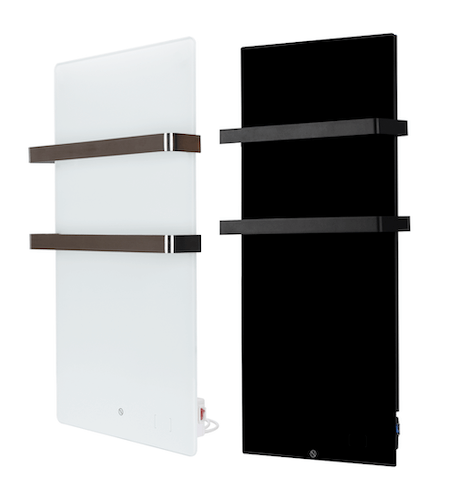
Why Infrared Heater Is a Healthier Alternative
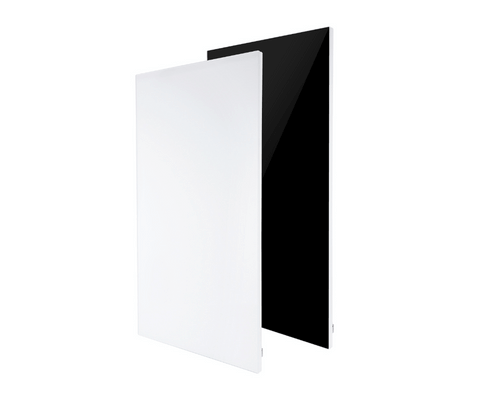
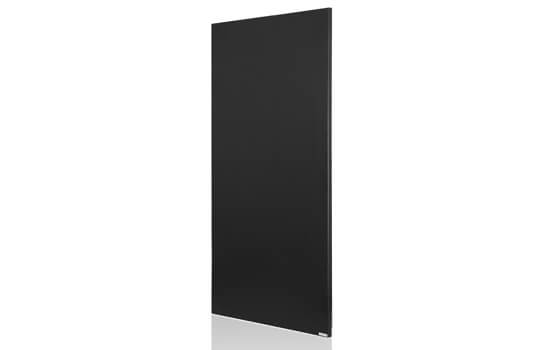
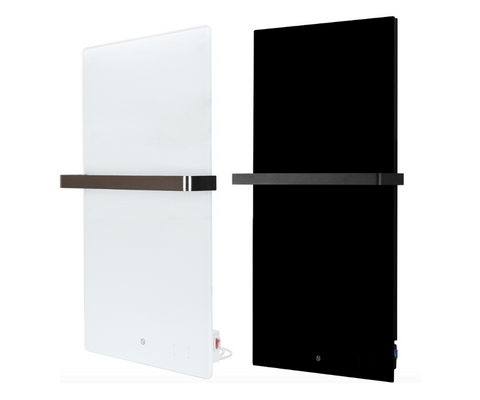
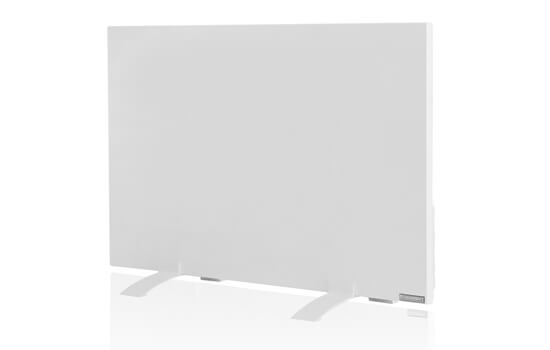
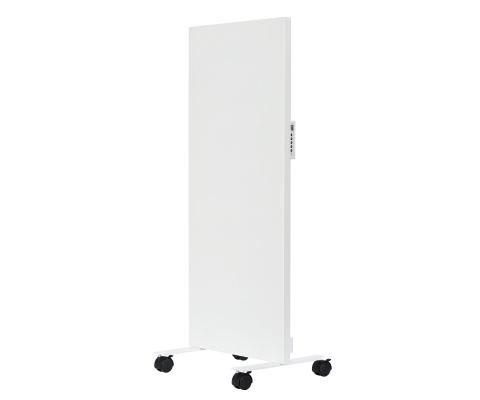
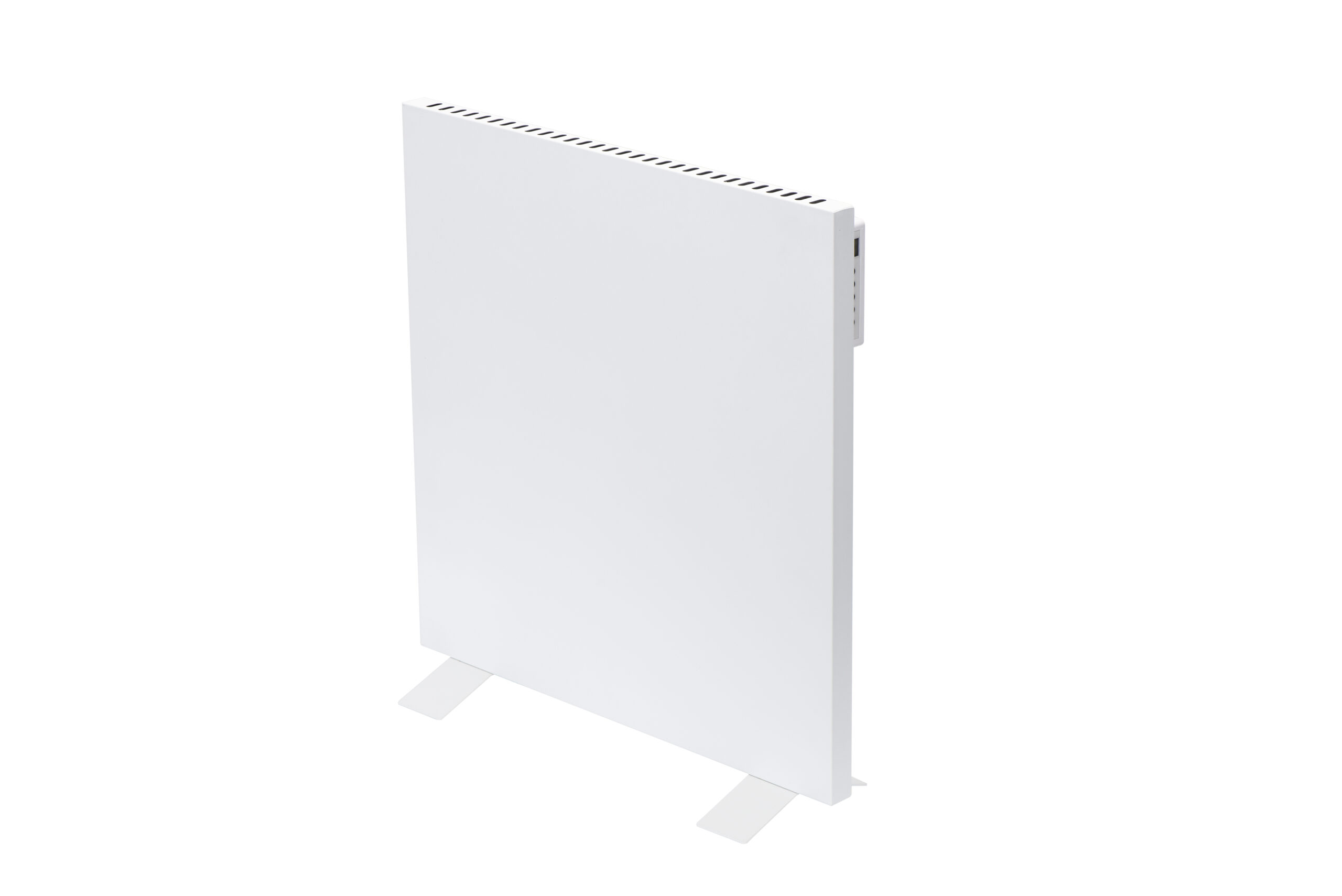
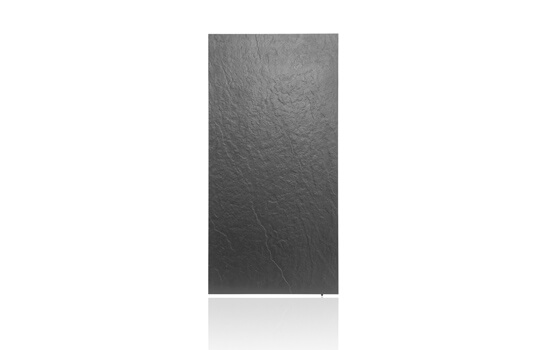
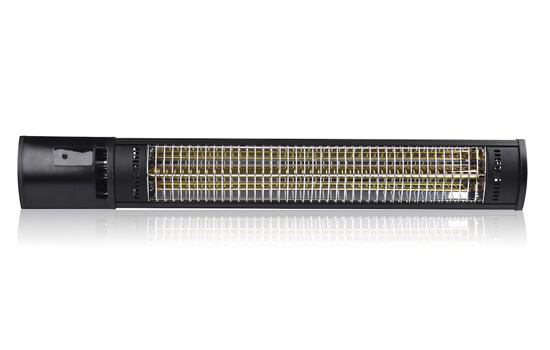
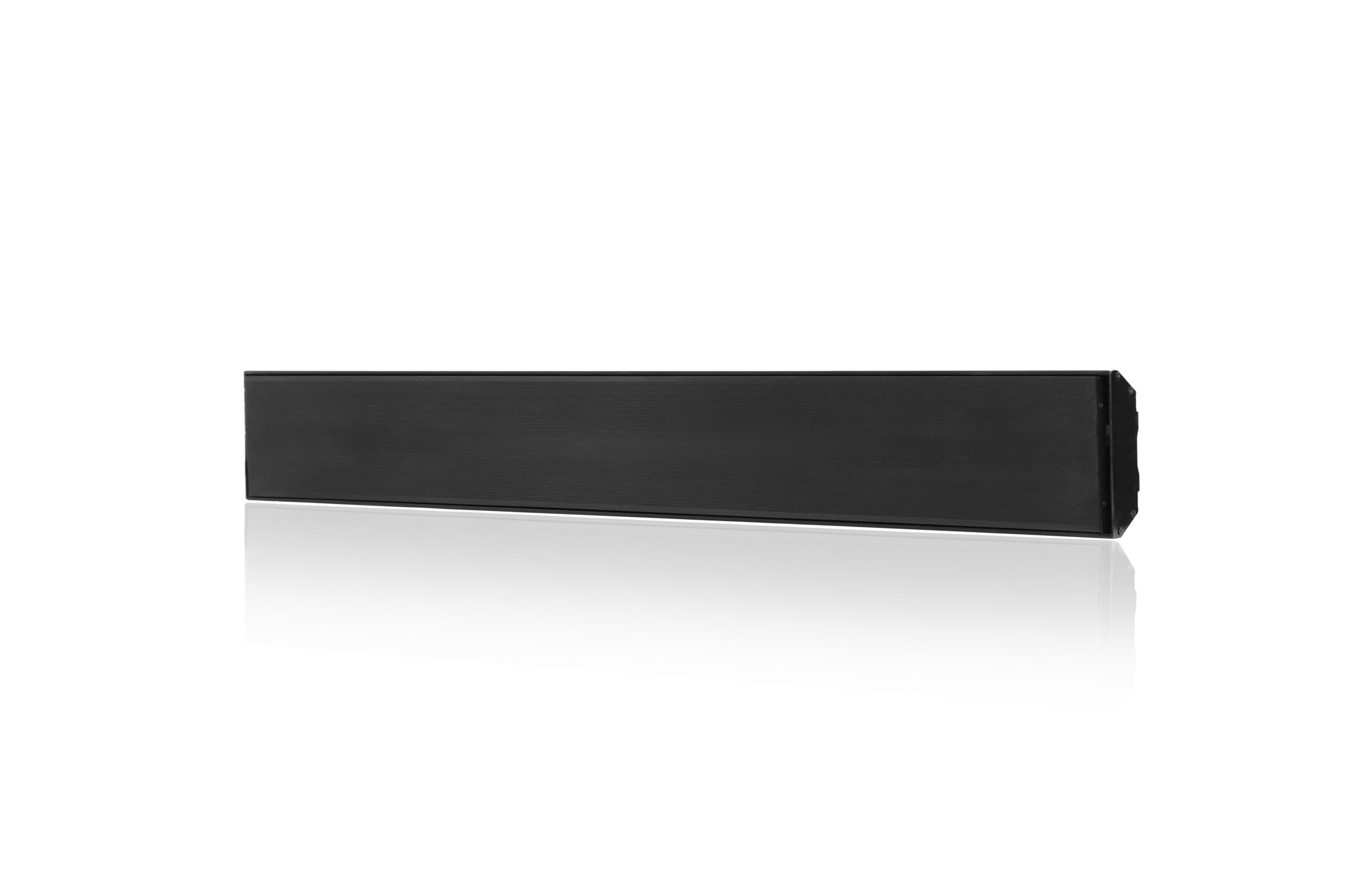
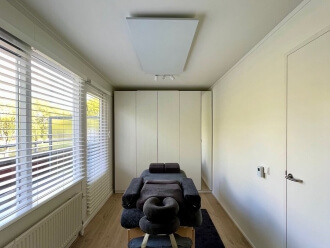
An infrared heater uses radiant heat instead of air-based heating.
Key Health Benefits
✔ No Air Drying
Maintains natural humidity levels
✔ No Dust Circulation
No airflow = cleaner air
✔ Gentle, Natural Warmth
Feels like sunlight
✔ Better Breathing Comfort
No irritation from dry air
✔ Improved Sleep Quality
Quiet and stable heating
This makes infrared heating ideal for:
- Homes
- Offices
- Wellness spaces
- Gyms
Signs Your Heating System Is Affecting Your Health
If you notice these symptoms during winter, your heating system might be the reason:
- Dry skin and lips
- Frequent sneezing indoors
- Throat irritation
- Poor sleep
- Feeling tired even in warm rooms
These are often linked to air-based heating systems
How to Improve Indoor Air Health While Heating
1. Switch to Infrared Heating
Eliminate air circulation and maintain natural comfort.
2. Maintain Humidity Levels
Use humidifiers if using traditional heating.
3. Improve Ventilation
Ensure fresh air exchange without excessive heat loss.
4. Clean Your Space Regularly
Reduce dust and allergens.
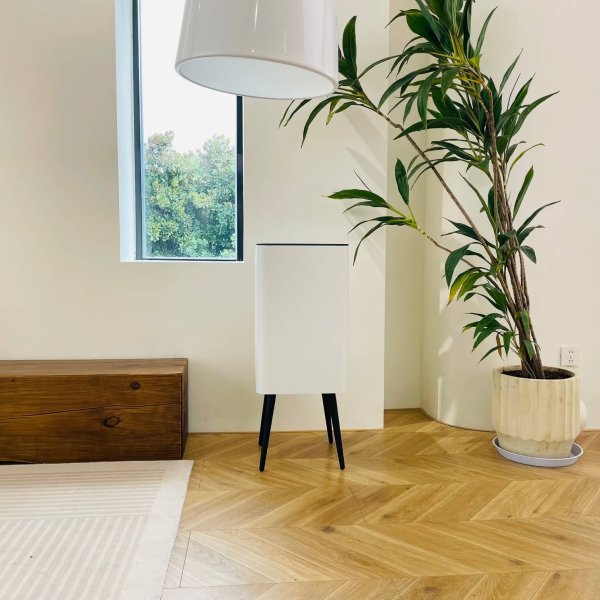
5. Use Air Purifiers (Optional)
Enhance indoor air quality.
Why This Problem Is Often Ignored
Lorem ipsum dolor sit amet, consectetur adipiscing elit. Ut elit tellus, luctus nec ullamcorper mattis, pulvinar dapibus leo.
Because:
- Heating systems are “working”
- Effects are gradual
- Symptoms feel normal
But over time, it impacts:
- Health
- Comfort
- Energy efficiency
FAQ
Q1: Does heating affect indoor air quality?
Yes. Air-based heating systems circulate dust and reduce humidity, affecting air quality.
Q2: Why do I feel dry when the heater is on?
Traditional heaters reduce moisture in the air, leading to dryness.
Q3: Are infrared heaters healthier?
Yes. They don’t circulate air or dry it, making them better for respiratory and skin health.
Q4: Can heating cause breathing problems?
Yes, especially with dry air and dust circulation from convection heating systems.
Q5: How can I make indoor heating healthier?
Switch to radiant heating, maintain humidity, and improve ventilation.
Conclusion
Your heater should do more than just warm the room.
It should:
- Protect your health
- Maintain air quality
- Provide real comfort
Traditional air-based heating often fails here.
The smarter choice:
Switch to infrared heating for healthier, cleaner warmth