








Warm Room, Cold Feeling — What’s Going Wrong?
You turn on the heater. The room temperature rises.
But somehow… you still feel cold.
This is one of the most common heating problems people face.
The truth is simple:
Heating and comfort are not the same thing.
Most heating systems focus on temperature, not how your body actually feels. In this blog, we’ll break down the real science behind comfort, why traditional systems fail, and how smarter solutions like an infrared heater solve the problem.
Heating vs Comfort — The Core Difference
What Is Heating?
Heating is simply:
Increasing the air temperature in a room
What Is Comfort?
Comfort is:
How warm your body actually feels
These are NOT the same.
A room can be 24°C…
But if your body isn’t absorbing heat, you’ll still feel cold.
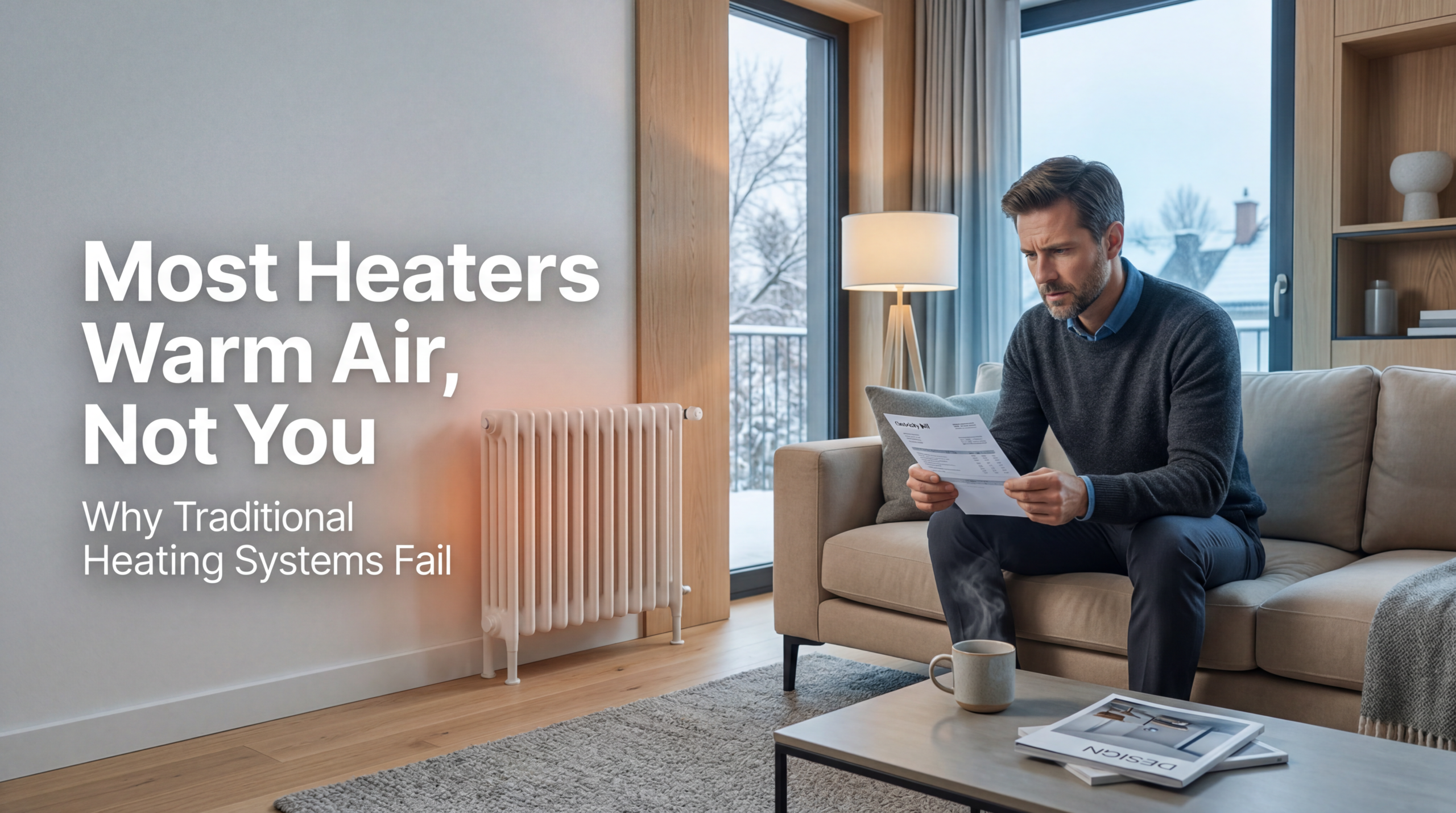
The Biggest Problem — Most Heaters Warm Air, Not You
Traditional heaters (fan heaters, oil heaters, radiators) use convection heating.
How Convection Heating Works
- Heats the air
- Warm air rises
- Cool air stays below
- Continuous circulation happens
Result:
- Uneven heating
- Cold spots
- Slow comfort

5 Reasons Why Most Heating Systems Fail
1. Heat Stays Away From You
Warm air collects near the ceiling, while you sit in cooler air.
So even if the room is “warm,” you don’t feel it.
2. Heat Loss Happens Constantly
Air escapes through:
- Windows
- Doors
- Walls
This forces your heater to work harder.
3. Slow Heating = Longer Usage
Traditional heaters take time to warm the room.
More time = more electricity = less efficiency
4. Uneven Temperature Distribution
Some areas feel warm, others remain cold.
This leads to discomfort and higher thermostat settings.
5. Air Dependency Creates Instability
Since heating depends on air movement:
- Opening a door resets the warmth
- Ventilation reduces effectiveness
Comfort keeps fluctuating.
The Science of Real Comfort — Radiant Heat
Here’s what most people don’t know:
Your body feels heat through radiation, not air temperature alone.
H3: What Is Radiant Heating?
Radiant heat:
- Travels in waves
- Heats objects and people directly
- Does not depend on air
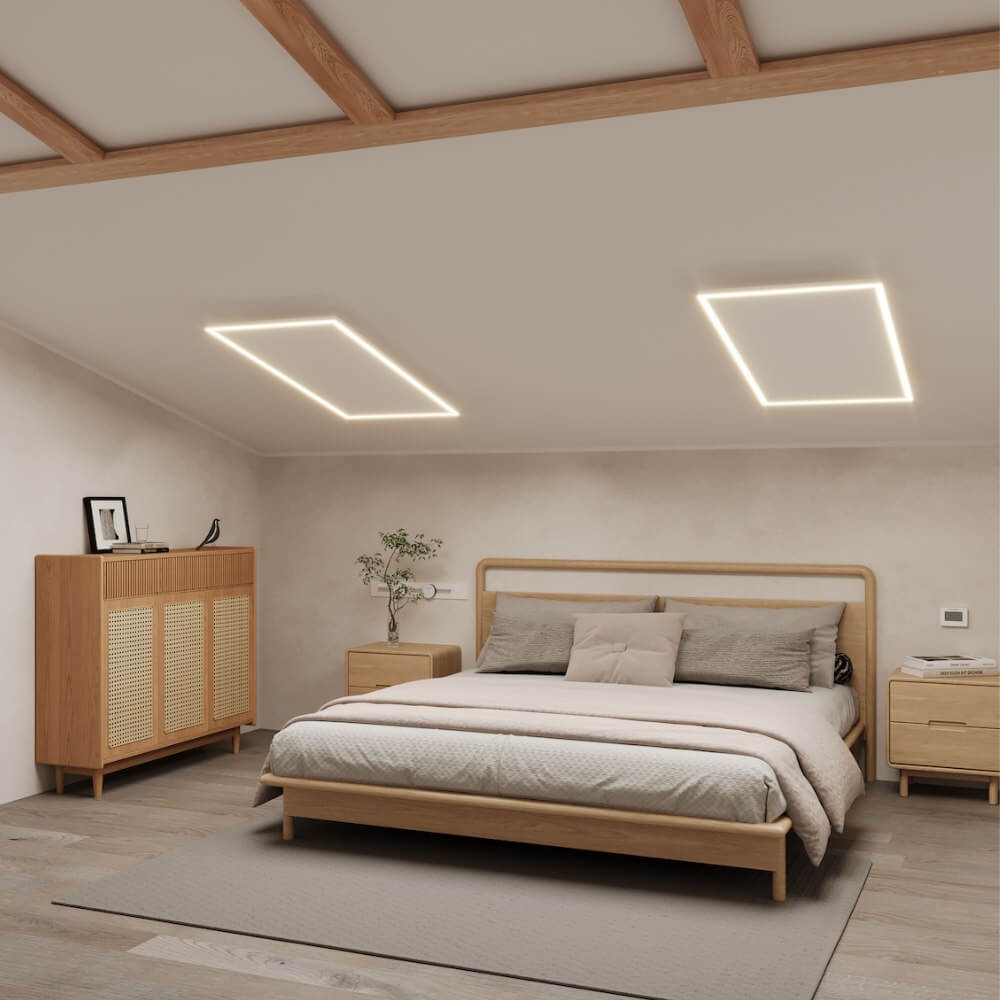
Why Infrared Heater Actually Keeps You Warm
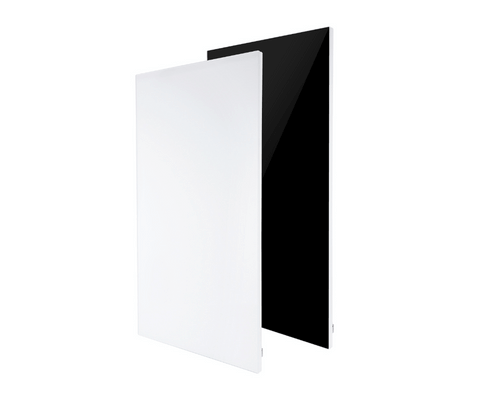
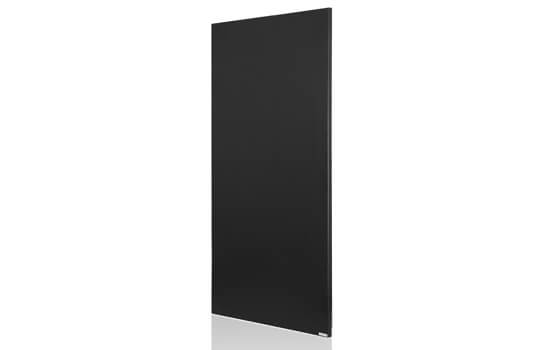
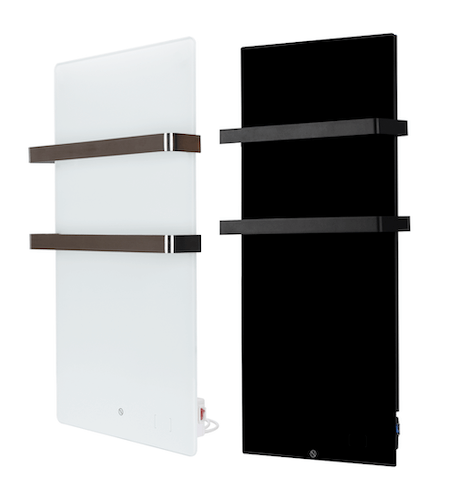
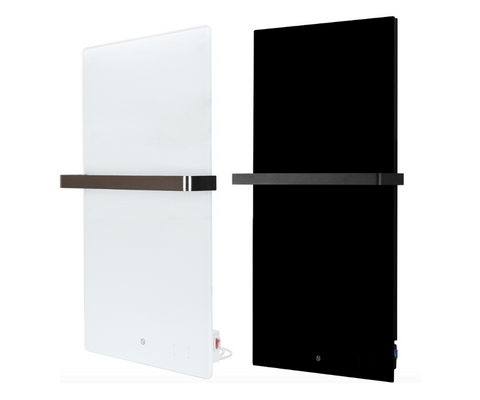
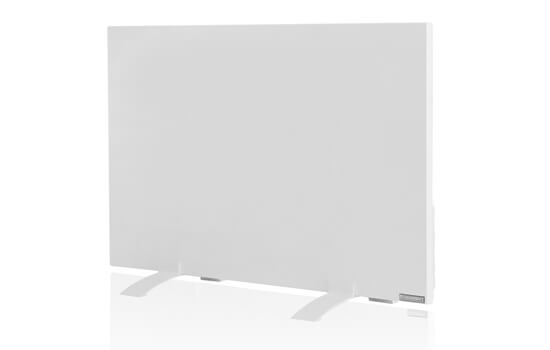
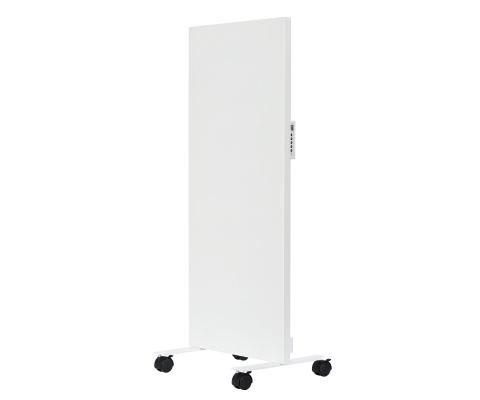
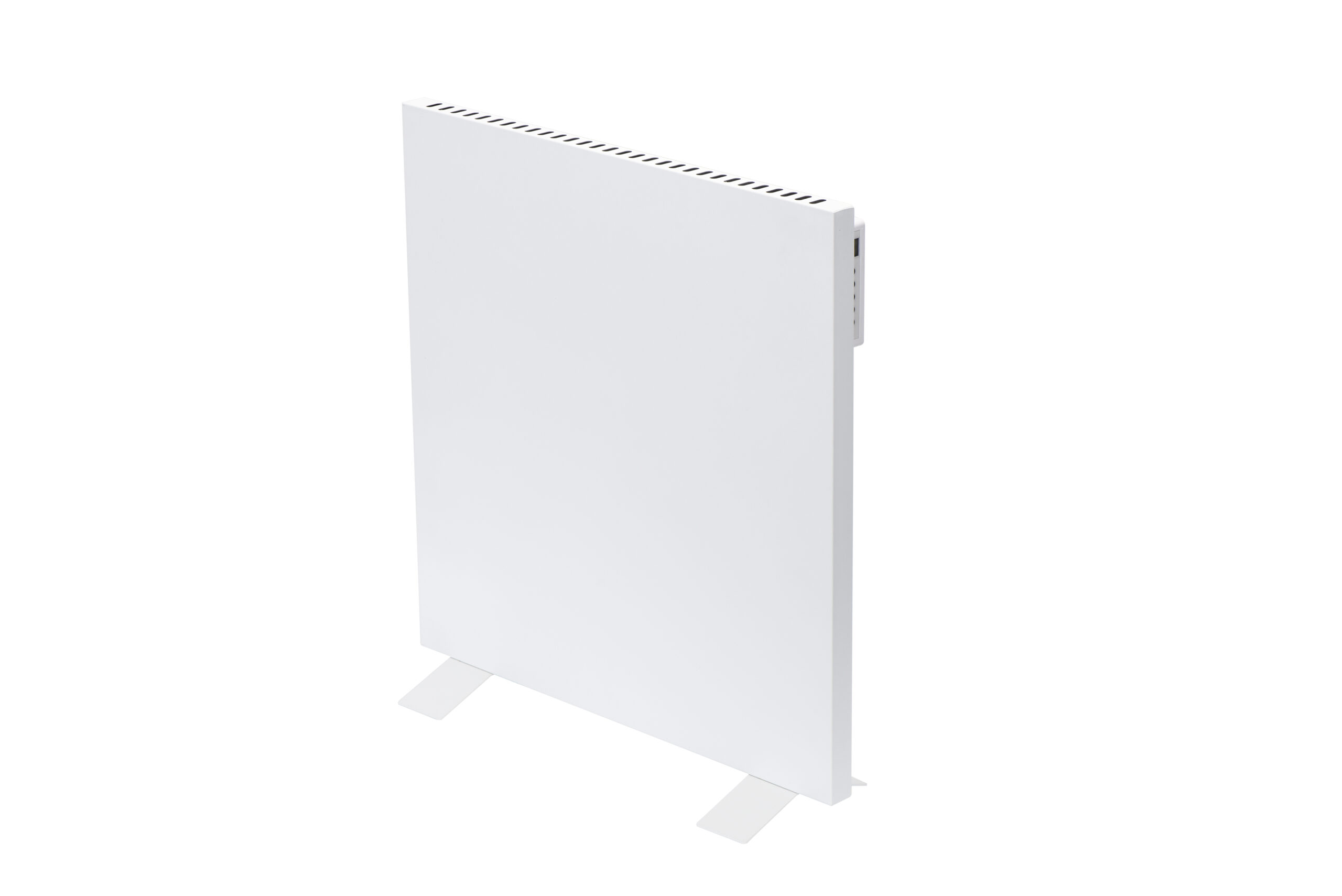
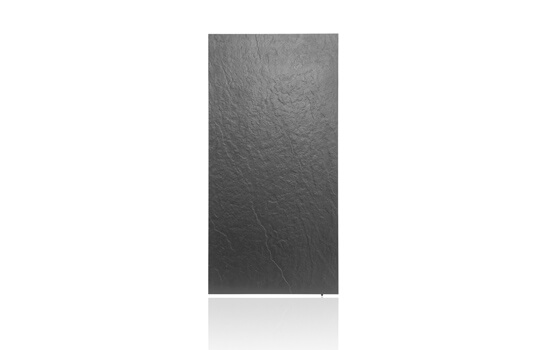
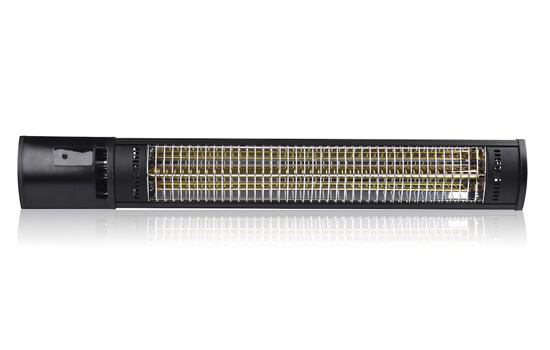
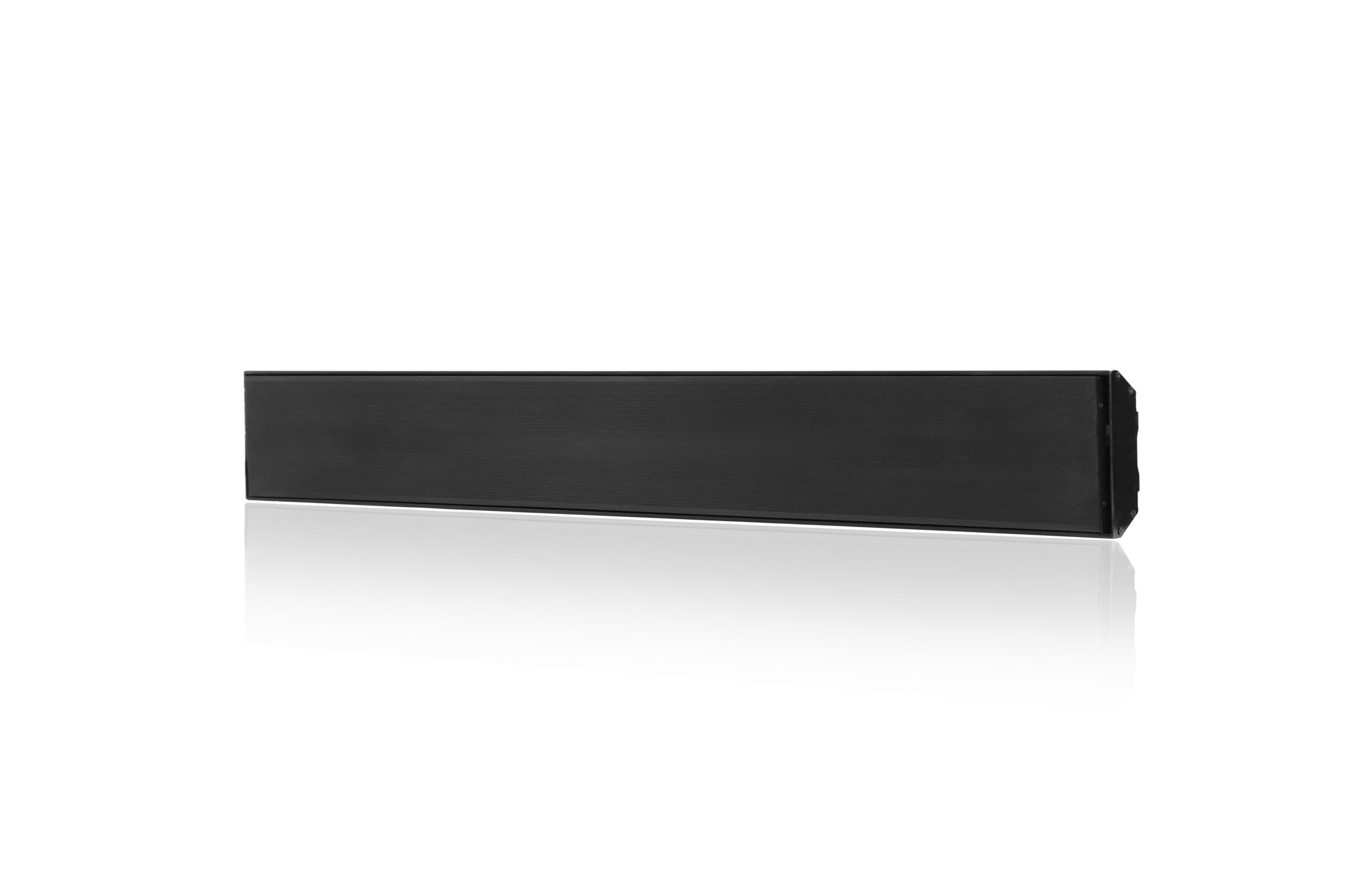
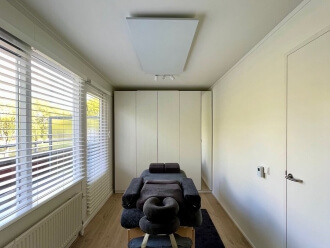
An infrared heater uses radiant heating technology.
It:
- Heats your body directly
- Provides instant warmth
- Reduces energy loss
Just like standing in sunlight — even in a cool environment, you feel warm.
Benefits of Infrared Heating
- Immediate comfort
- Even heat distribution
- Energy efficient
- No heat loss through air
- Healthier (no dry air circulation)
Why Comfort Matters More Than Temperature
Most people increase temperature thinking it will increase comfort.
But:
Higher temperature ≠ Better comfort
Instead, it leads to:
- Higher electricity bills
- Dry air
- Energy waste
The smarter approach is:
Improve how heat is delivered, not just how much heat is generated
How to Actually Stay Warm (Practical Tips)
1. Use Infrared Heating
Direct heating improves comfort instantly.
2. Reduce Heat Loss
- Seal gaps
- Use curtains
- Insulate walls
3. Optimize Heater Placement
Avoid placing heaters near windows or open areas.
4. Focus on Zoned Heating
Heat only the areas you use.
5. Combine Comfort Elements
Use rugs, furniture, and materials that retain heat.
The Future of Heating — Comfort-Based Systems
Modern heating solutions are shifting toward:
- Radiant heating systems
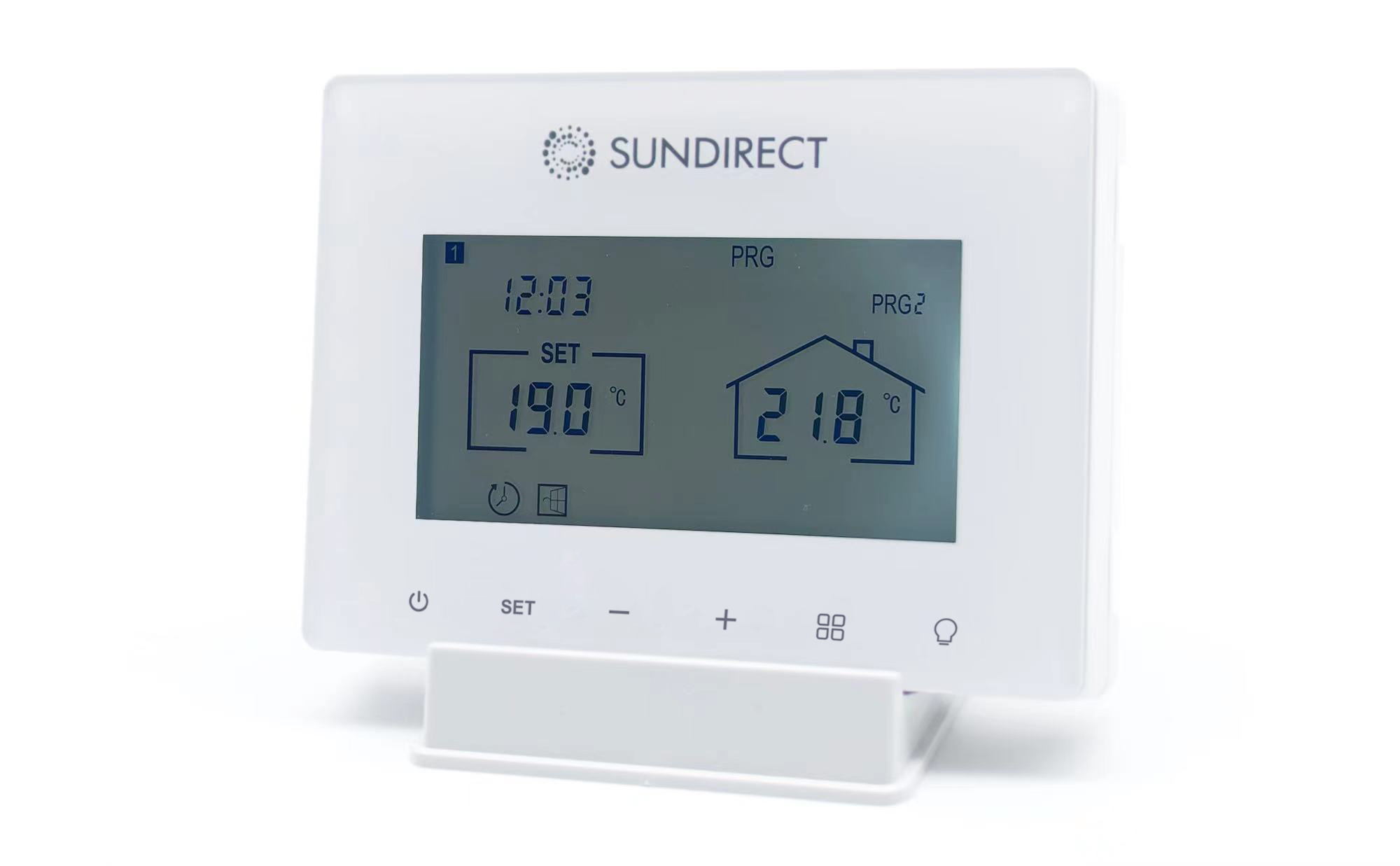
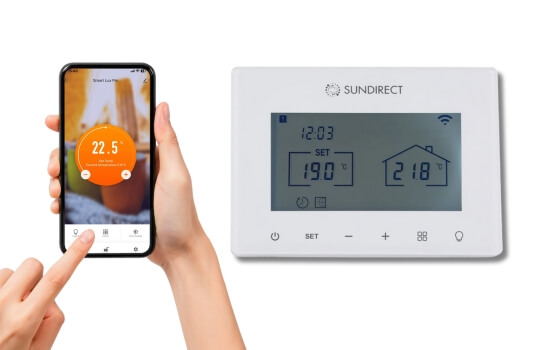
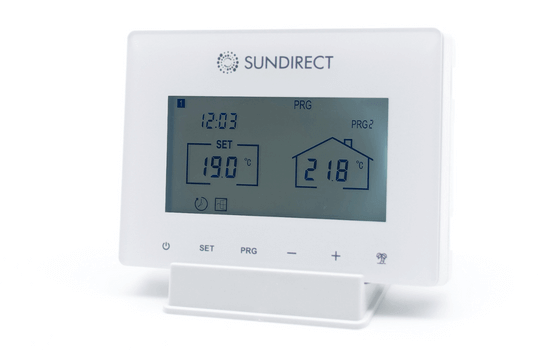
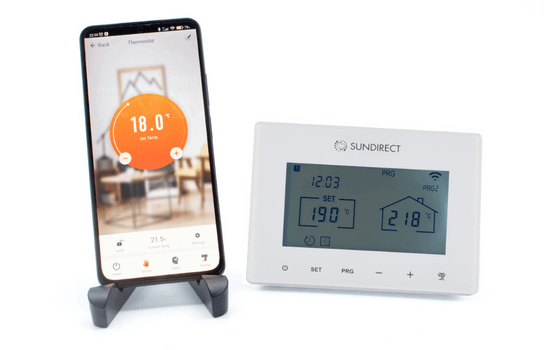
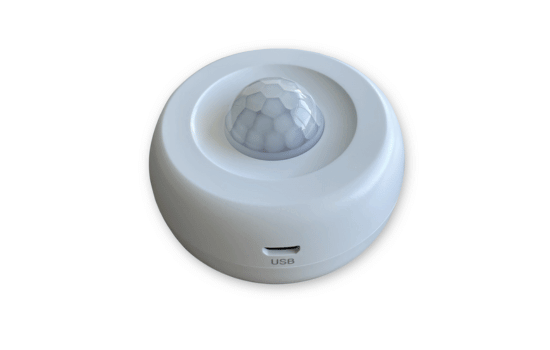
- Smart temperature control
- Energy-efficient technologies
The goal is not just heating spaces, but creating real comfort
FAQ
Q1: Why do I still feel cold even when heating is on?
Because traditional heaters warm air, not your body, and heat is often lost before you feel comfortable.
Q2: What is the difference between heating and comfort?
Heating increases air temperature, while comfort is how warm your body actually feels.
Q3: Are infrared heaters more comfortable?
Yes, they provide direct warmth and maintain consistent comfort without relying on air.
Q4: Which heating system is most efficient?
Infrared heating systems are more energy-efficient due to minimal heat loss.
Q5: How can I improve heating comfort at home?
Use radiant heating, reduce heat loss, and optimize room insulation.
Conclusion
Your heating system may be working…
But that doesn’t mean it’s effective.
The real problem:
- Heating air instead of people
- Heat loss
- Inefficient systems
The real solution:
Switch to comfort-based heating like infrared technology