





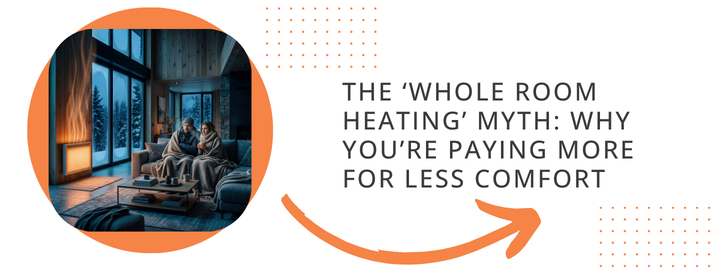
The Big Promise That Misleads Most People
“Whole room heating” sounds perfect, right?
The idea is simple:
Turn on the heater → entire room gets warm → you feel comfortable.
But in reality…
You’re often paying more, waiting longer, and still feeling cold.
Why?
Because whole room heating is one of the biggest misconceptions in modern heating systems.
In this blog, we’ll break down:
- Why whole room heating doesn’t deliver real comfort
- How it wastes energy
- And why switching to an infrared heater can give you better warmth at lower cost
What Is “Whole Room Heating”?
Whole room heating typically refers to:
- Heating the air in the entire room
- Using convection-based systems like:
- Fan heaters
- Oil heaters
- Central heating
The Assumption
If the room temperature rises → you should feel warm.
But this assumption is flawed.
The Reality — Why Whole Room Heating Fails
1. Heat Doesn’t Stay Where You Need It
Warm air rises to the ceiling.
You sit in the lower part of the room — where it’s still cooler.
2. Heating Empty Space Is a Waste
Whole room heating tries to warm:
- Corners
- Ceilings
- Unused areas
You end up heating spaces where no one is present.
3. Heat Loss Is Constant
Air escapes through:
- Windows
- Doors
- Walls
So the heater keeps running… and your electricity bill keeps increasing.
4. Slow Warm-Up Time
Heating the entire room takes time.
You wait longer to feel comfortable.
5. Uneven Comfort
Even when the room is heated:
- Some spots feel warm
- Others remain cold
This creates discomfort and forces higher temperature settings.
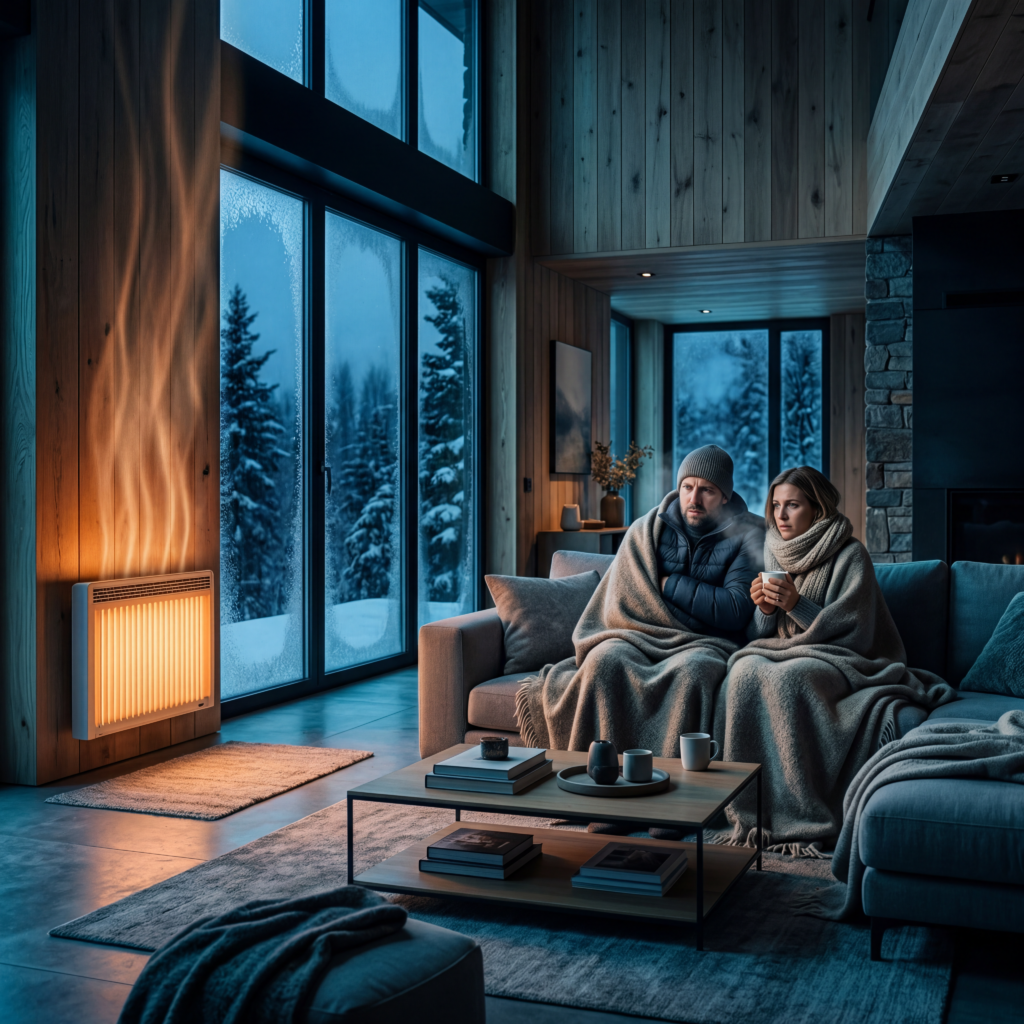
The Cost of Believing the Myth
Whole room heating may seem effective, but it leads to:
- Higher electricity bills
- Longer heater usage
- Energy wastage
- Reduced comfort
You’re essentially paying for heat you don’t fully use
The Smarter Approach — Heat People, Not Spaces
Instead of heating the entire room…
Focus on direct heating
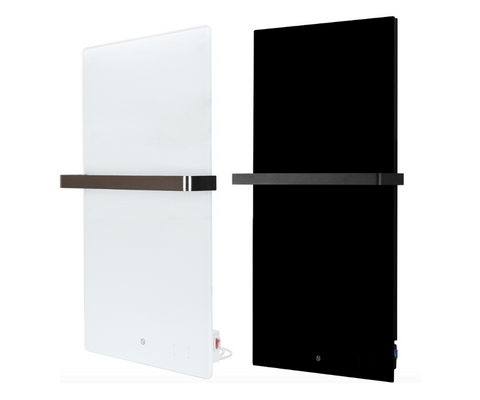
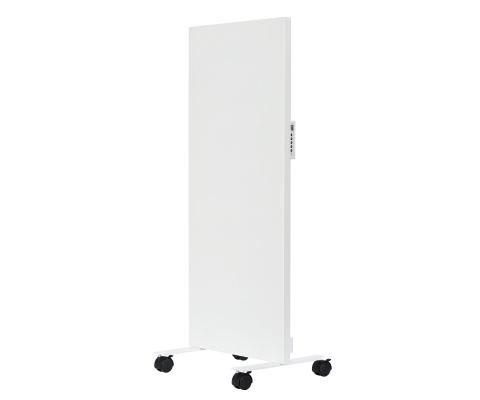
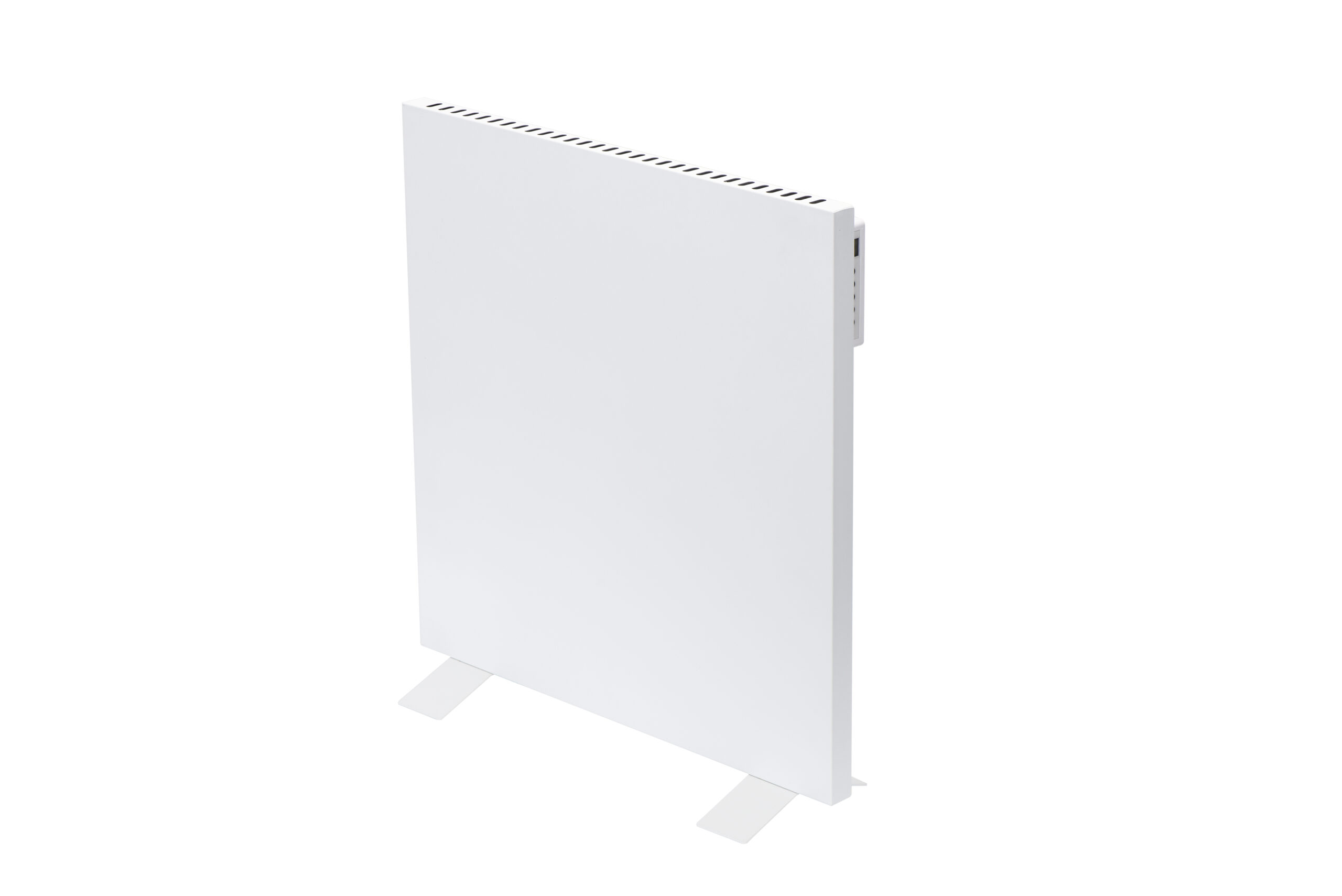
This is where infrared heater technology changes everything.
How Infrared Heating Breaks the Myth
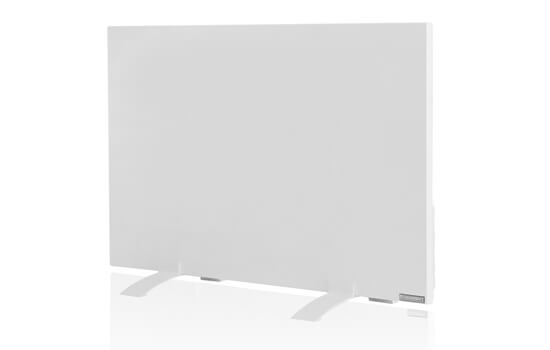
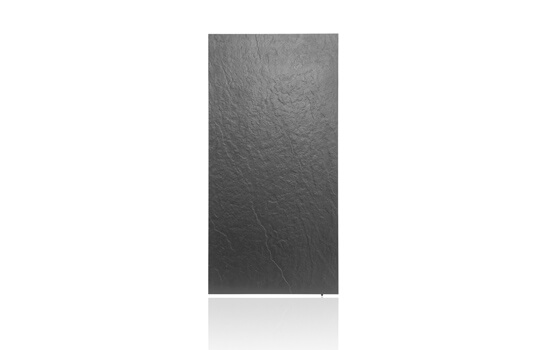
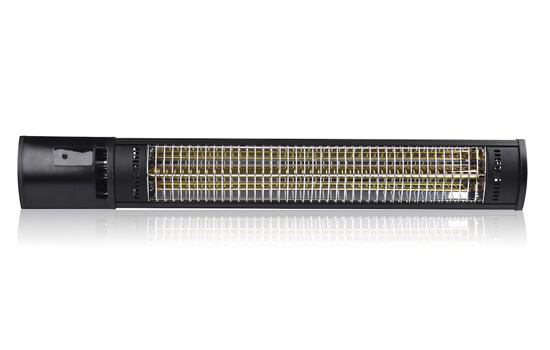
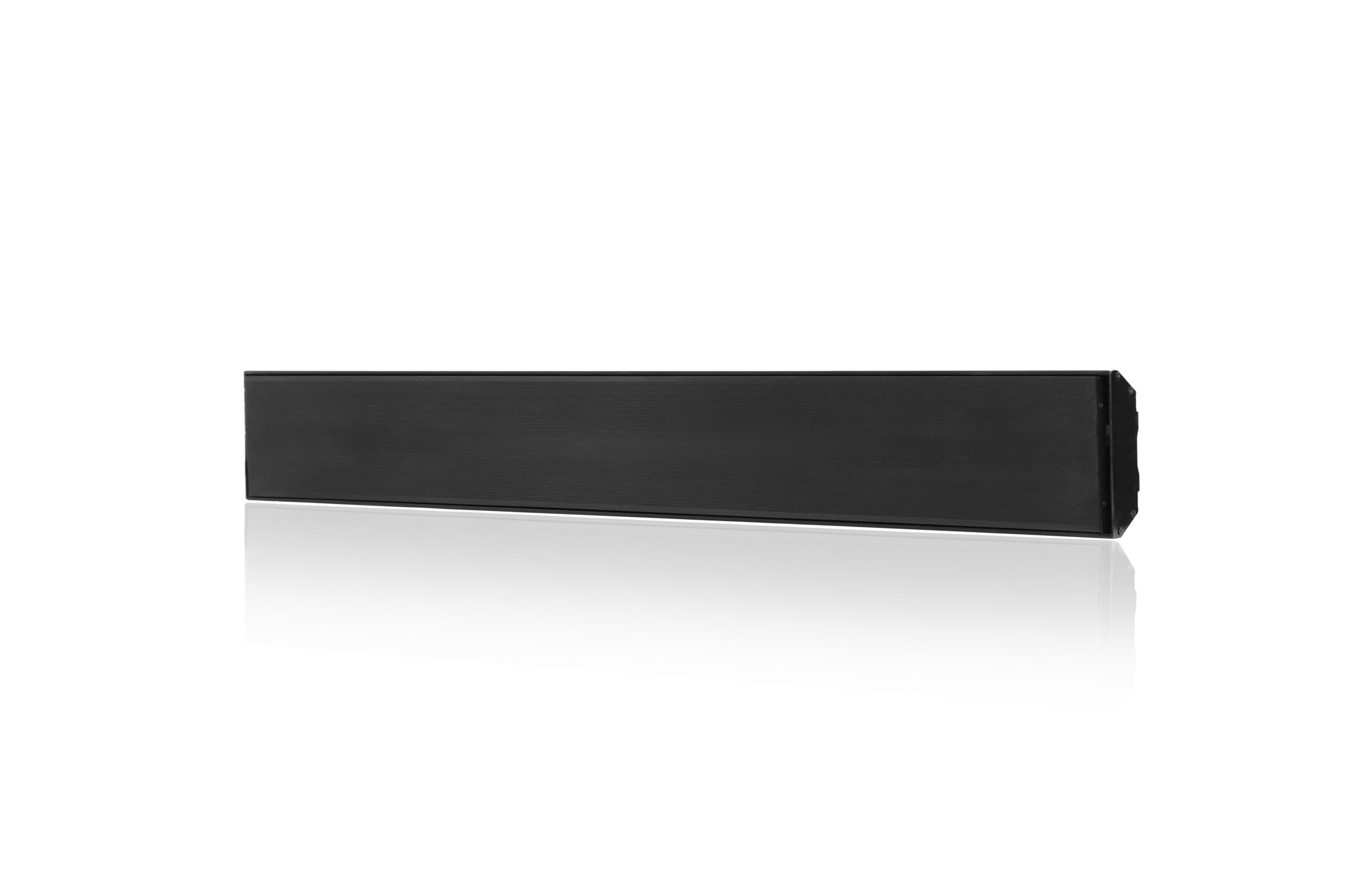
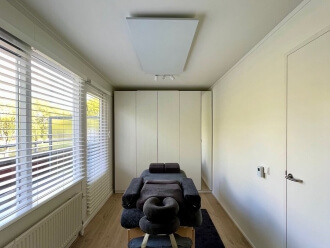
An infrared heater works differently from traditional systems.
What It Does
- Sends heat directly to people and objects
- Does not rely on air
- Provides instant warmth
No need to heat the whole room to feel comfortable.
Why Infrared Heating Is More Efficient
1. Targeted Heating
You heat only the area you use.
2. Minimal Heat Loss
No air-based heat = no escape through gaps.
3. Instant Comfort
No waiting time.
4. Lower Energy Consumption
Less runtime = lower electricity bill.
5. Consistent Warmth
No hot/cold zones.
Whole Room vs Infrared Heating — Real Comparison
Factor | Whole Room Heating | Infrared Heating |
Heating Method | Air-based | Direct radiant |
Energy Efficiency | Low | High |
Heat Loss | High | Minimal |
Warm-up Time | Slow | Instant |
Comfort Level | Inconsistent | High |
When Whole Room Heating Makes Sense (Rare Cases)
To be fair, whole room heating works better when:
- Rooms are fully insulated
- Spaces are small and sealed
- Continuous heating is required
But even then, efficiency is lower compared to targeted heating.
Practical Tips to Avoid Heating Waste
1. Use Zoned Heating
Heat only occupied areas.
2. Switch to Infrared Heating
Eliminate unnecessary energy loss.
3. Improve Insulation
Reduce heat escape.
4. Optimize Heater Placement
Focus on where people are.
5. Avoid Overheating
Higher temperature doesn’t mean better comfort.
Why This Myth Still Exists
Because:
- Marketing promotes “whole room comfort”
- People equate temperature with warmth
- Lack of awareness about heating science
But once you understand the difference, it changes everything.
FAQ
Q1: Is whole room heating efficient?
Not always. It wastes energy by heating unused spaces and losing heat through air.
Q2: Why do I still feel cold even when the room is heated?
Because traditional systems heat air, not your body directly.
Q3: Are infrared heaters more efficient?
Yes. They provide direct heat with minimal energy loss.
Q4: How can I reduce heating costs at home?
Use targeted heating, improve insulation, and switch to energy-efficient systems.
Q5: Is it better to heat a whole room or just the area you use?
Heating only the area you use is more efficient and cost-effective.
Conclusion
The biggest mistake in heating is thinking:
“The whole room must be warm for me to feel warm”
But the truth is:
Comfort comes from how heat reaches you — not how much space is heated
So instead of:
- Wasting energy
- Waiting for warmth
- Paying higher bills
Switch to smarter heating:
Infrared technology that delivers real comfort, instantly