




Your Heater Is Costing More Than You Think
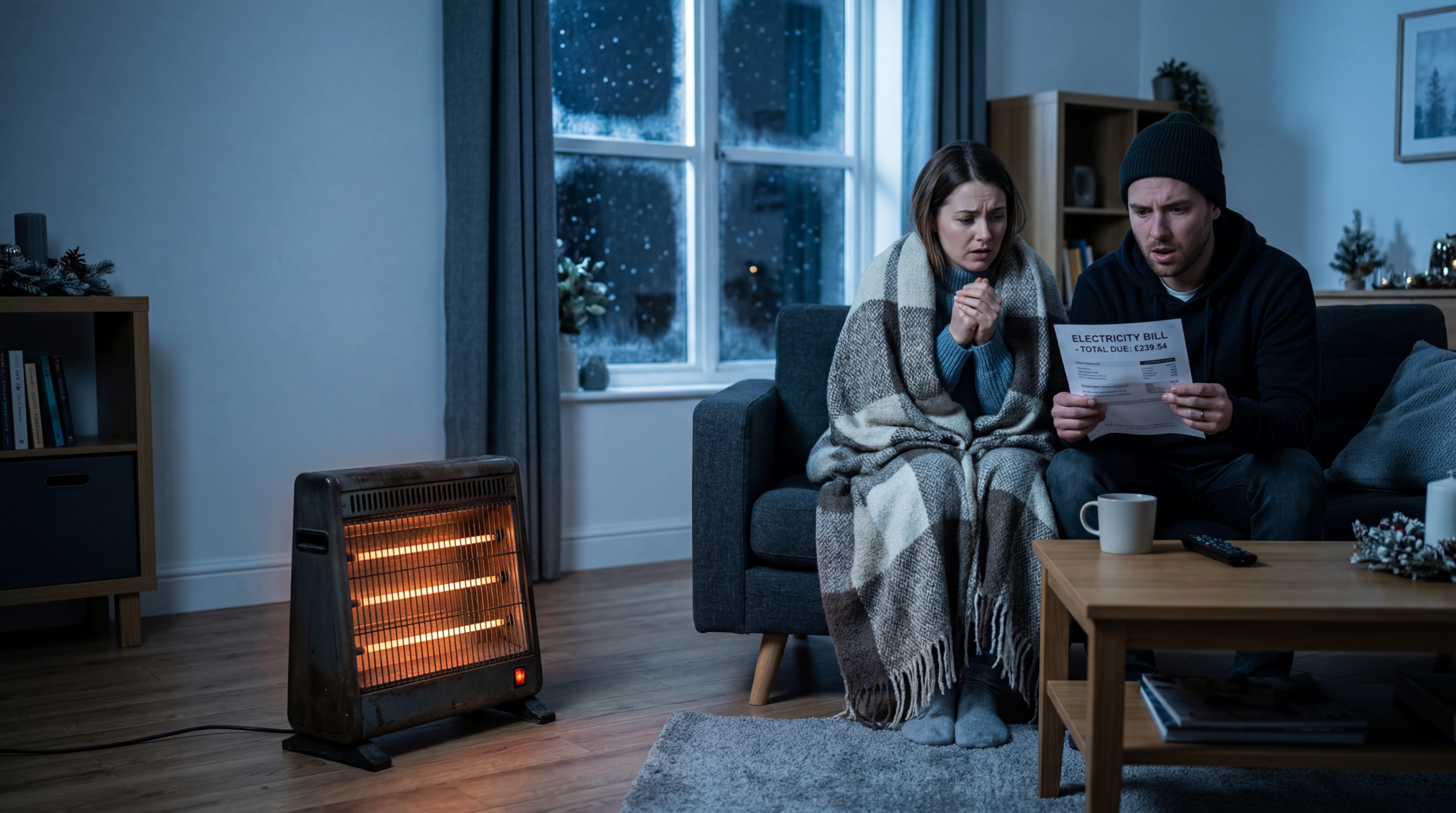
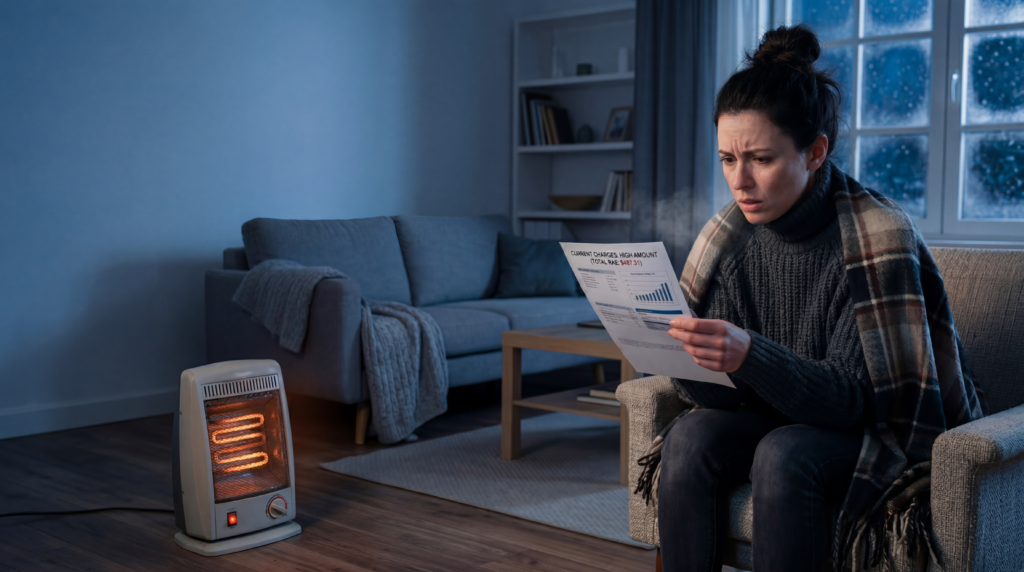
You switch on your heater expecting comfort… but your electricity bill keeps rising every month.
Sound familiar?
The truth is — most traditional heaters are silently wasting energy, and you’re paying for it without even realizing it.
In this blog, we’ll break down:
Why traditional heaters consume more power
Where the hidden energy waste happens
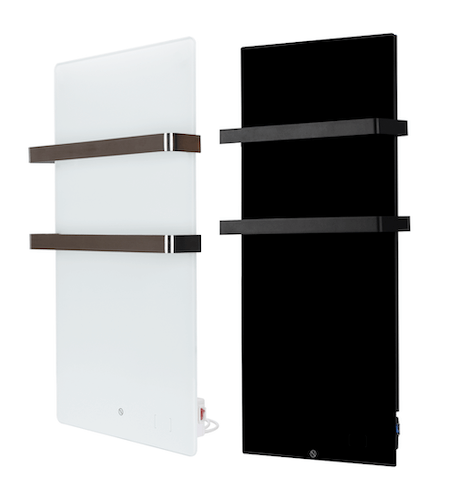
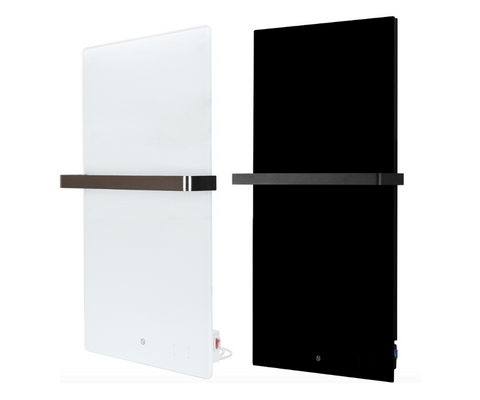
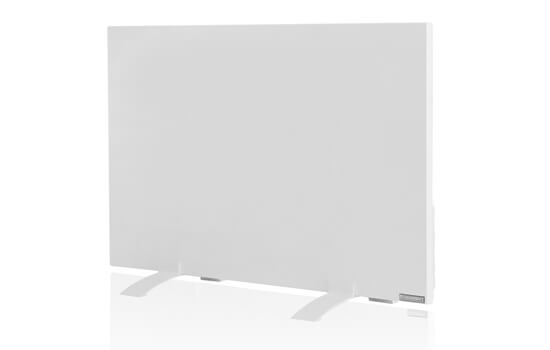
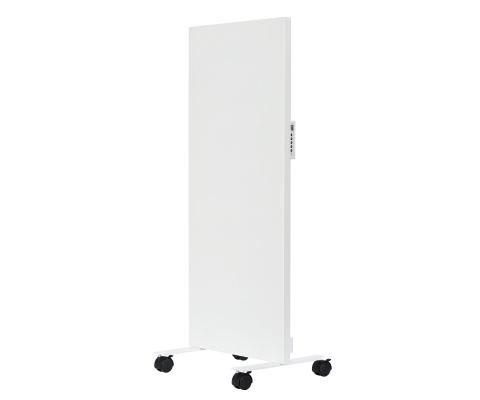
And how smarter solutions like an infrared heater can reduce your electricity bill
The Biggest Problem — Heating Air Instead of People
Most traditional heaters (fan heaters, oil heaters, radiators) use convection heating.
What Happens in Convection Heating?
- Heater warms the air
- Warm air rises to the ceiling
- Cooler air stays near the floor
- The cycle keeps repeating
Result: You use more energy, but still don’t feel warm enough
5 Hidden Ways Traditional Heaters Waste Energy
1. Heat Rises — And Gets Wasted
Warm air naturally moves upward.
So instead of heating your body, your heater:
- Warms the ceiling
- Leaves the usable space cold
This creates energy loss without comfort
2. Continuous Reheating Cycle
Because warm air escapes or cools quickly:
- Heater keeps turning ON again and again
- More electricity is consumed
This is one of the biggest reasons for high electricity bills
3. Heat Loss Through Windows & Walls
Traditional heating depends on air.
But air easily escapes through:
- Windows
- Doors
- Poor insulation
You are literally paying to heat the outside environment
4. Uneven Heating = Longer Usage Time
Cold spots in the room force you to:
- Increase temperature
- Run heater longer
More runtime = more power consumption
5. Dry Air & Discomfort
Convection heaters:
- Dry out air
- Reduce comfort
So users:
- Increase temperature unnecessarily
This again increases energy waste
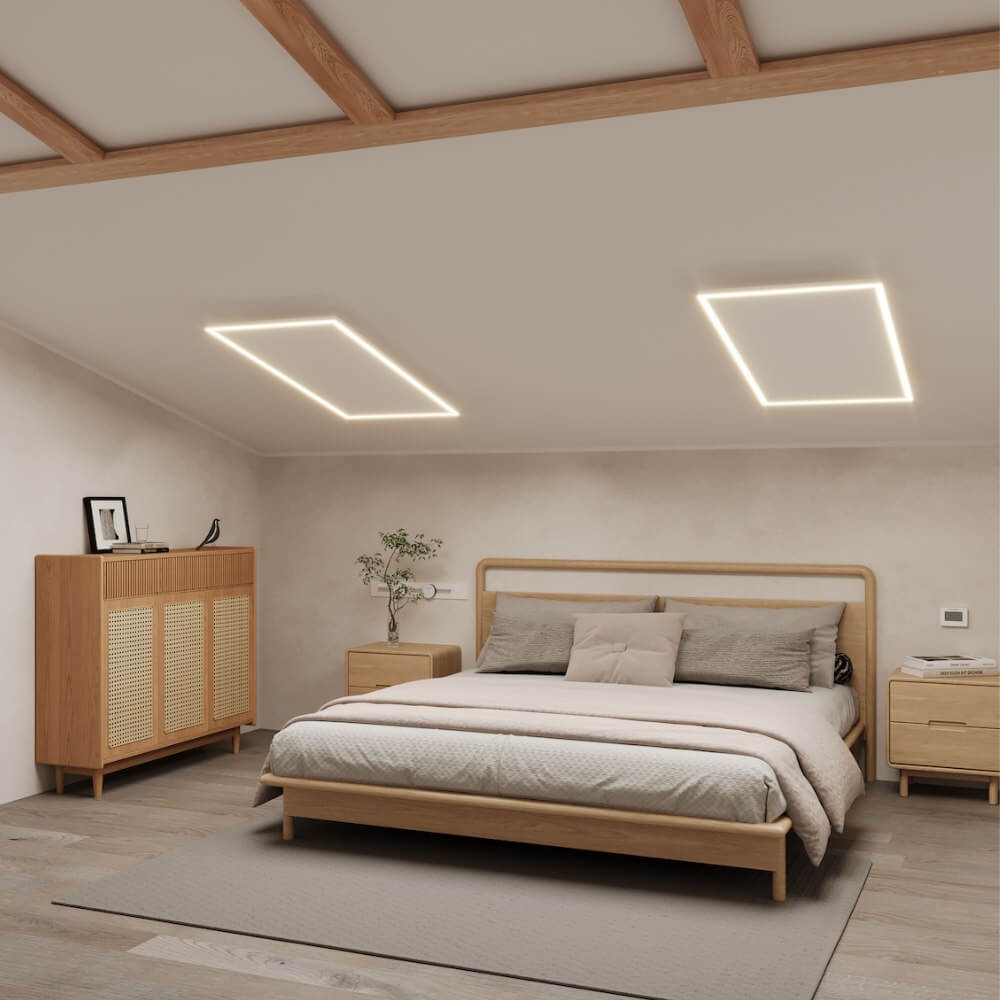
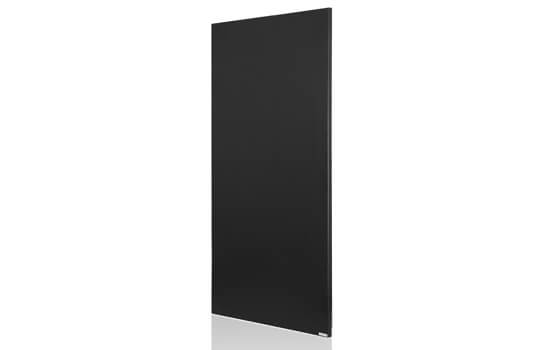
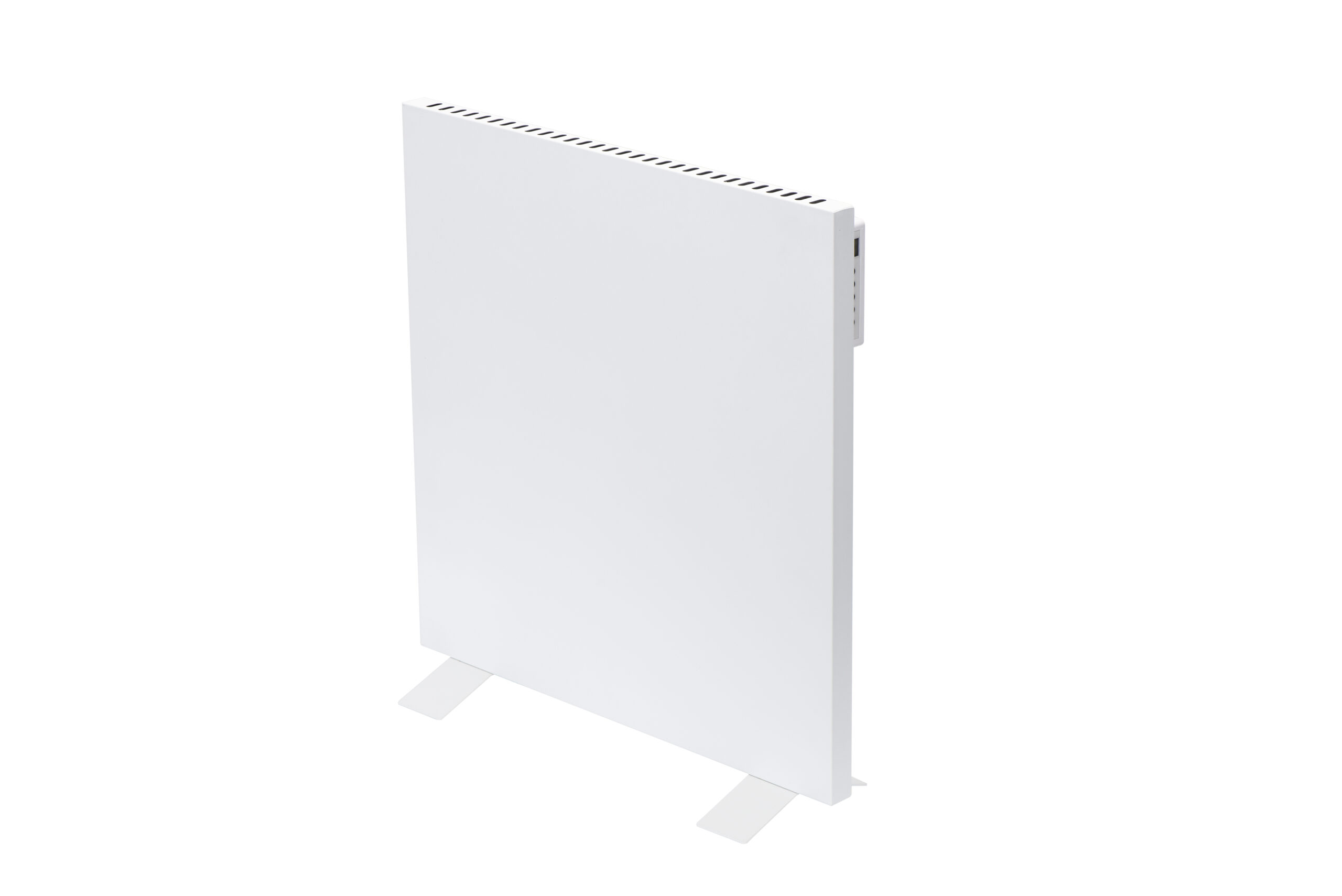
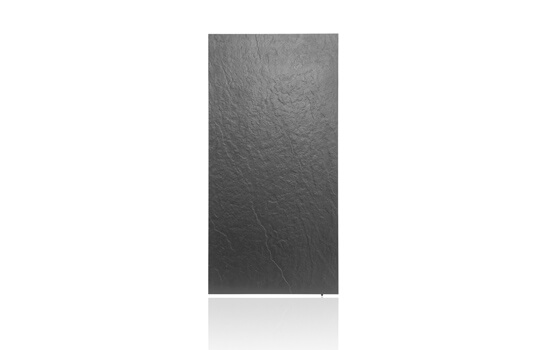
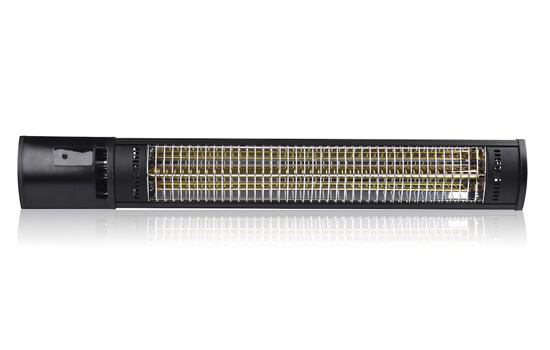
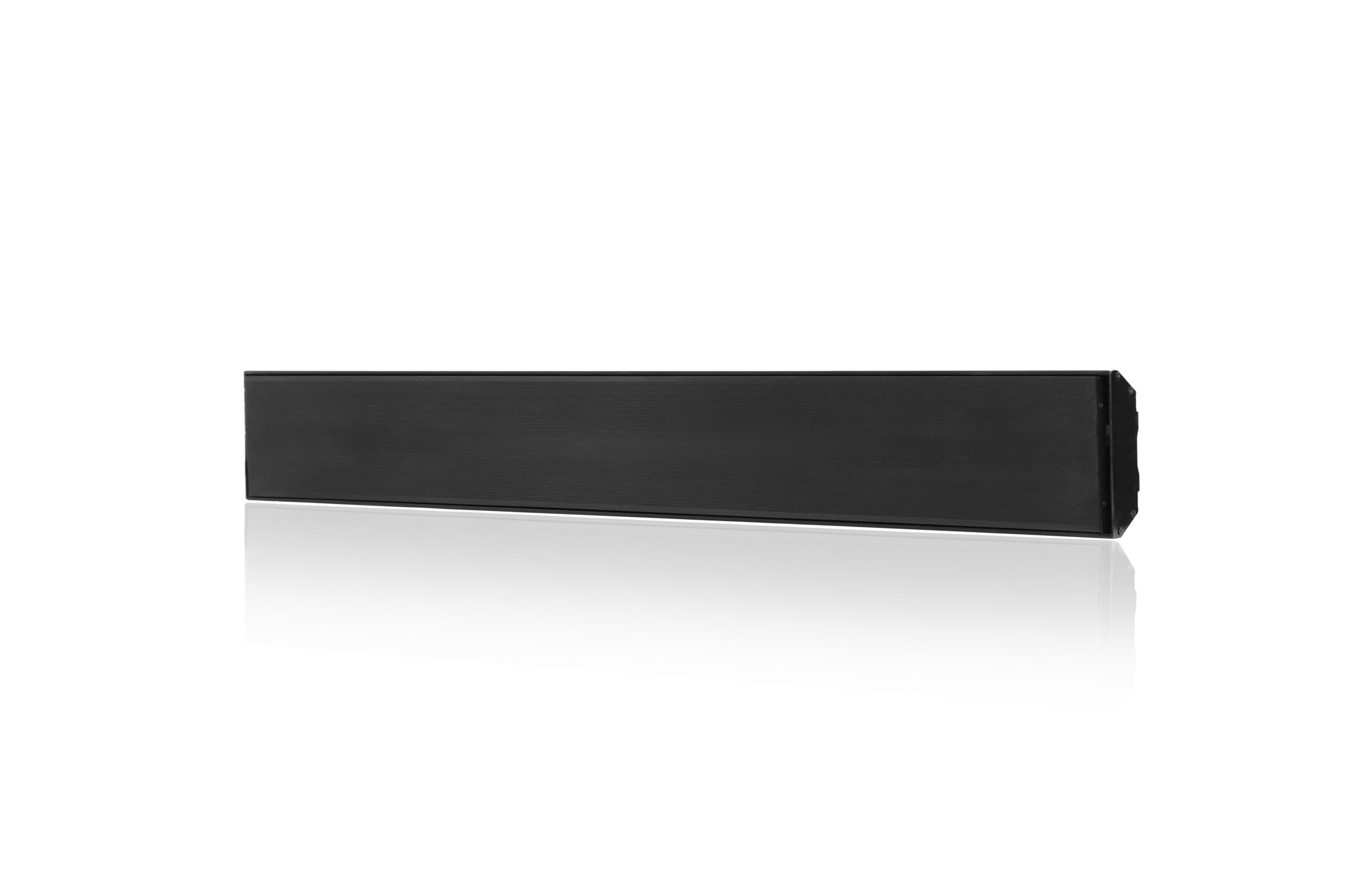
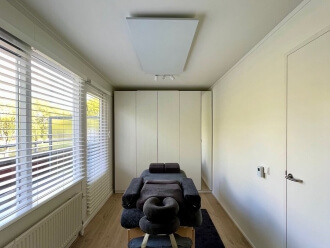
The Smart Alternative — Infrared Heater Technology
An infrared heater works differently.
Instead of heating air, it:
- Heats objects
- Heats walls
- Heats your body directly
Just like sunlight.
Why Infrared Heaters Save Energy
- No heat loss through air
- Instant warmth
- Lower energy consumption
- Even heating distribution
You feel warm faster — so you use less electricity.
Real Impact on Your Electricity Bill
Let’s simplify:
- Traditional heater runs longer → more units consumed
- Heat loss → repeated energy usage
- Inefficiency → higher bills
Switching to efficient heating can reduce energy consumption by up to 30–50% (depending on usage and insulation).
5 Practical Tips to Reduce Heating Costs
1. Upgrade to Infrared Heating
Direct heating reduces unnecessary energy use.
2. Seal Air Leaks
- Use door seals
- Install curtains
- Fix window gaps
3. Heat Only Required Areas
Avoid heating the entire house unnecessarily.
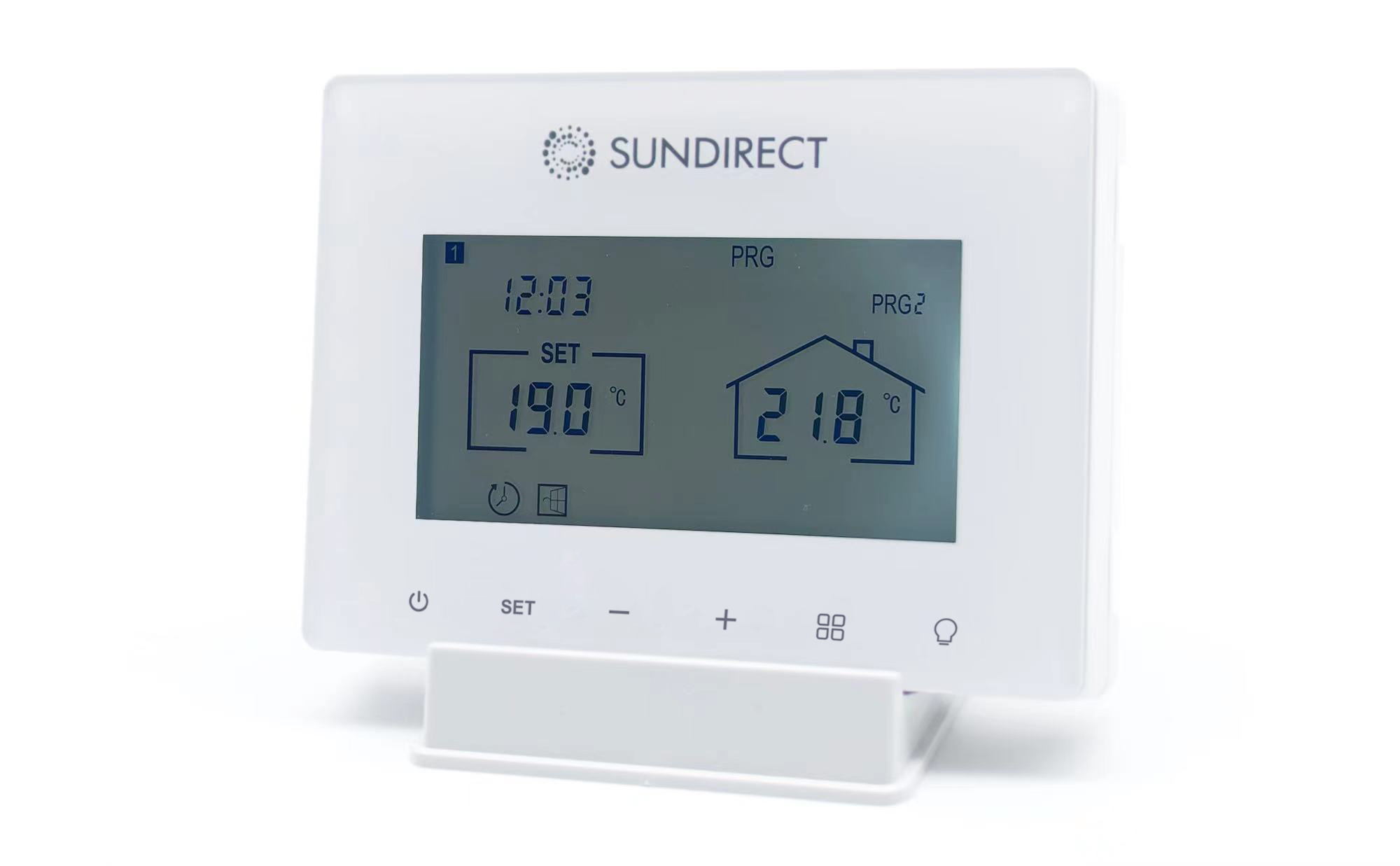
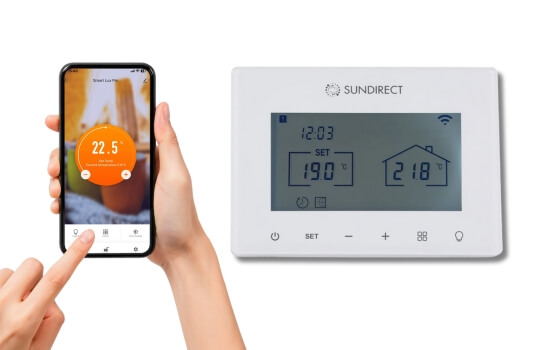
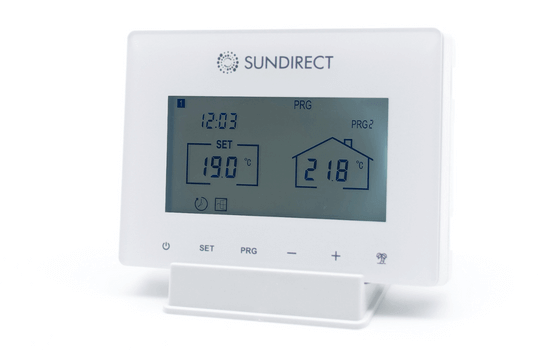
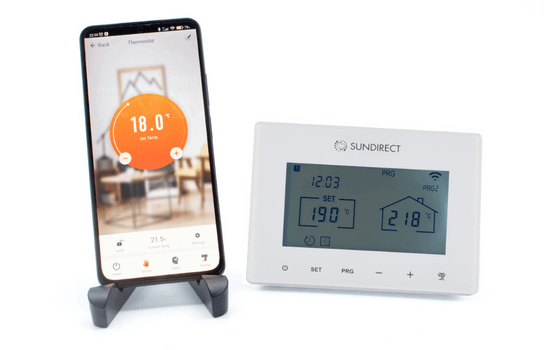
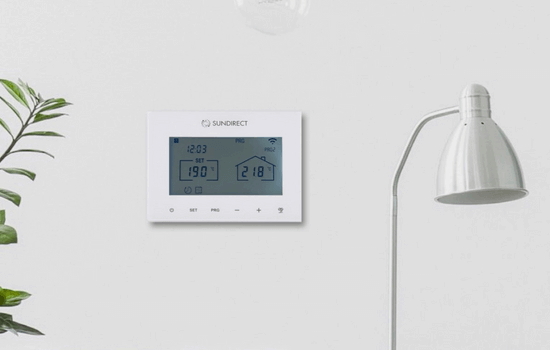
4. Use Smart Thermostats
Control temperature efficiently.
5. Improve Insulation
Retain heat inside your room.
Why Most People Don’t Realize This Energy Waste
Because:
- Heater is “working”
- Room temperature seems normal
- No visible problem
But behind the scenes:
Energy is constantly being lost
FAQ
Q1: Why is my electricity bill high in winter?
Traditional heaters consume more energy due to heat loss, continuous operation, and inefficient air heating.
Q2: Do infrared heaters really save electricity?
Yes. Infrared heaters provide direct heat, reducing energy waste and lowering power consumption.
Q3: Which heater consumes less electricity?
Infrared heaters are more energy-efficient compared to convection heaters.
Q4: How can I reduce heating costs at home?
Switch to energy-efficient heating, seal air leaks, and improve insulation.
Q5: Are traditional heaters inefficient?
They are less efficient because they heat air, which easily escapes, leading to energy loss.
Conclusion
Your heater may not be broken…
It’s just inefficient.
Traditional heating wastes energy through:
- Air circulation
- Heat loss
- Longer runtime
The smarter solution?
Switch to energy-efficient infrared heating