





Indoor air quality has become a top priority for many European households, especially as families look for safer and healthier heating options. One question often asked is: Do infrared heaters kill bacteria? In this article, we’ll explore how infrared heat works, whether it can reduce bacteria, and why it may contribute to a cleaner indoor environment. We’ll also cover scientific insights, practical benefits, and key considerations for choosing the right heater.
How Infrared Heating Works
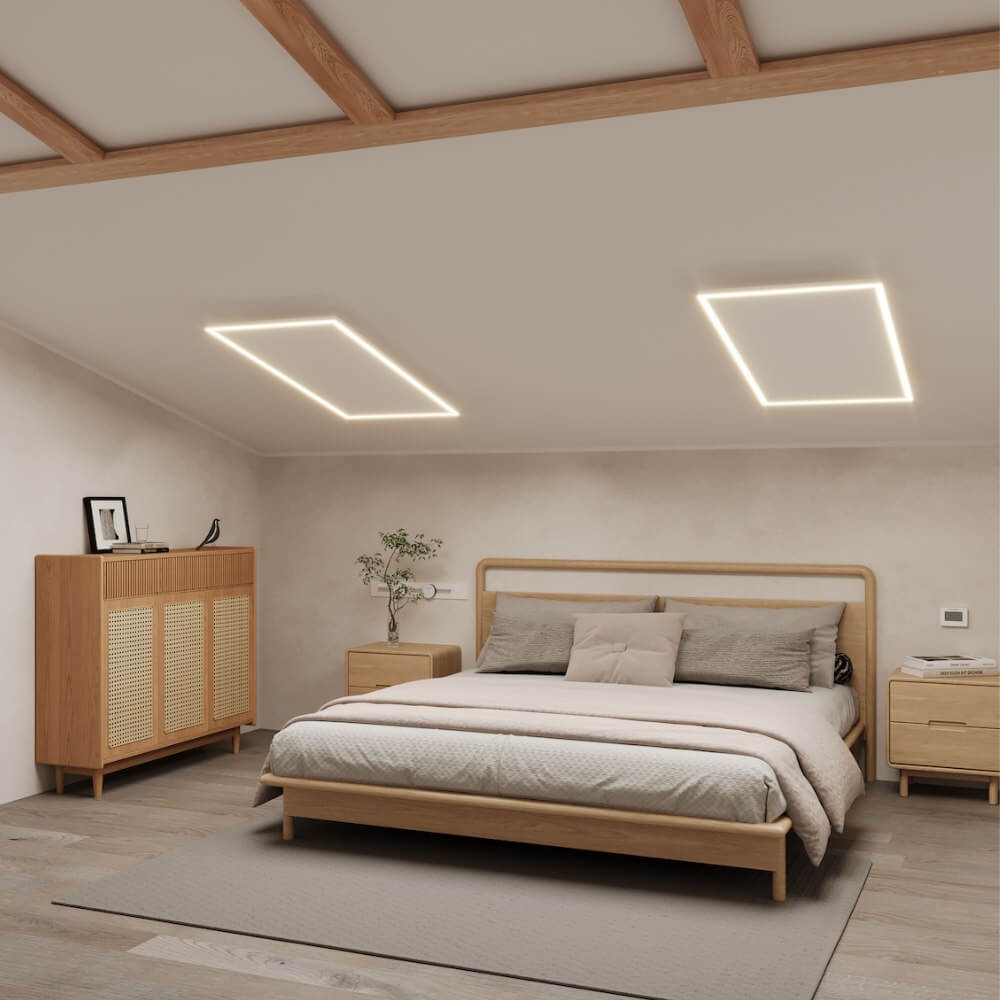
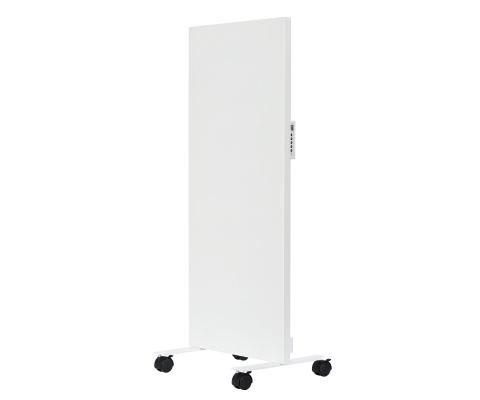
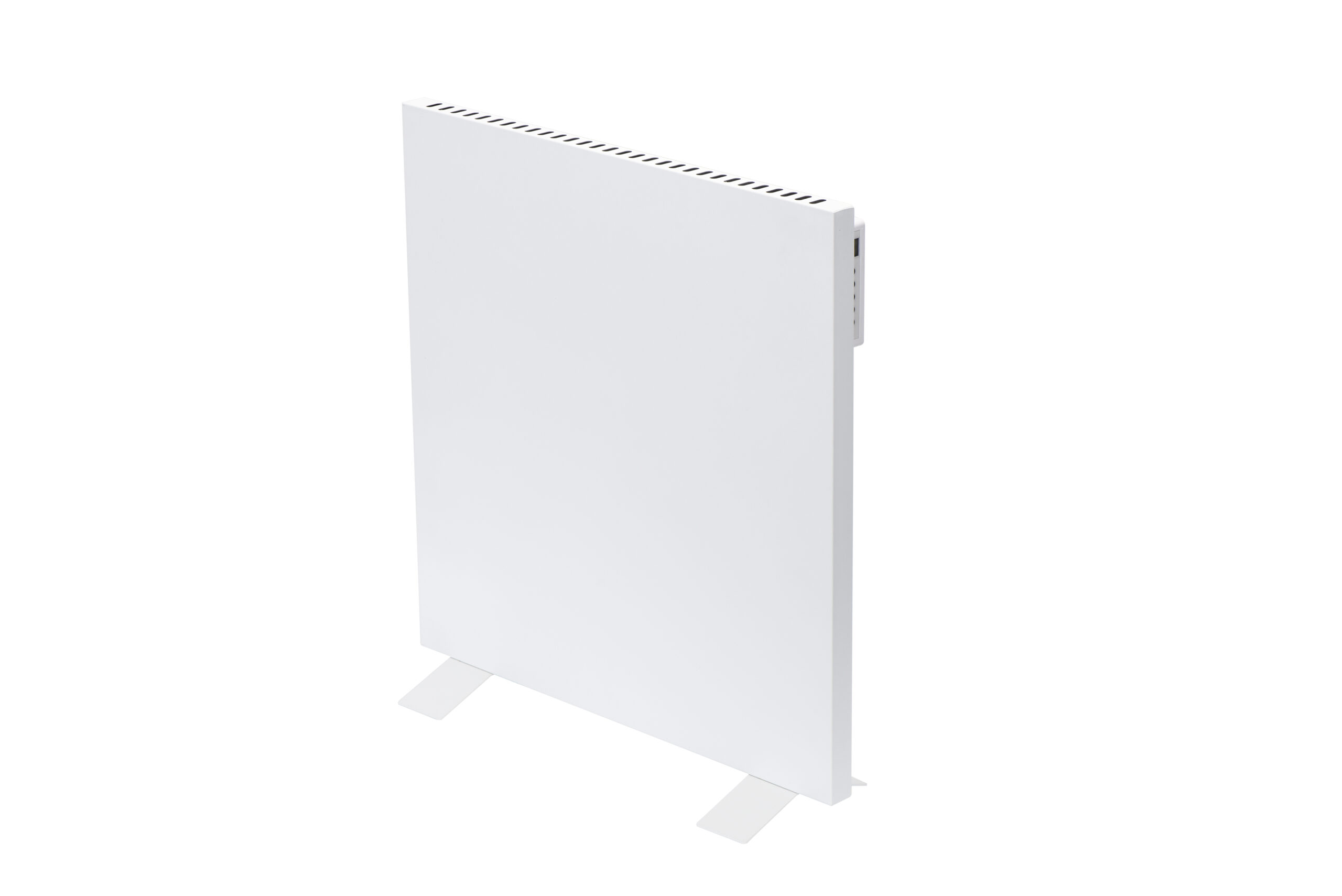
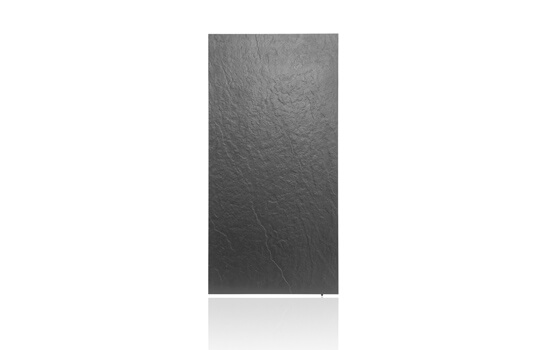
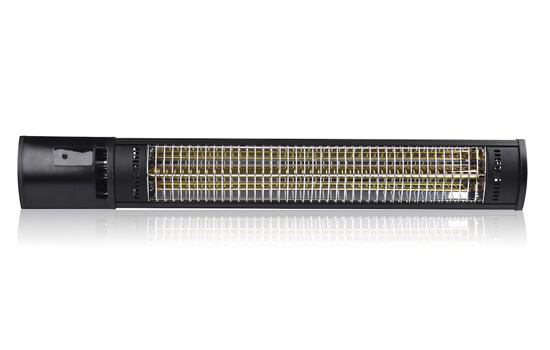
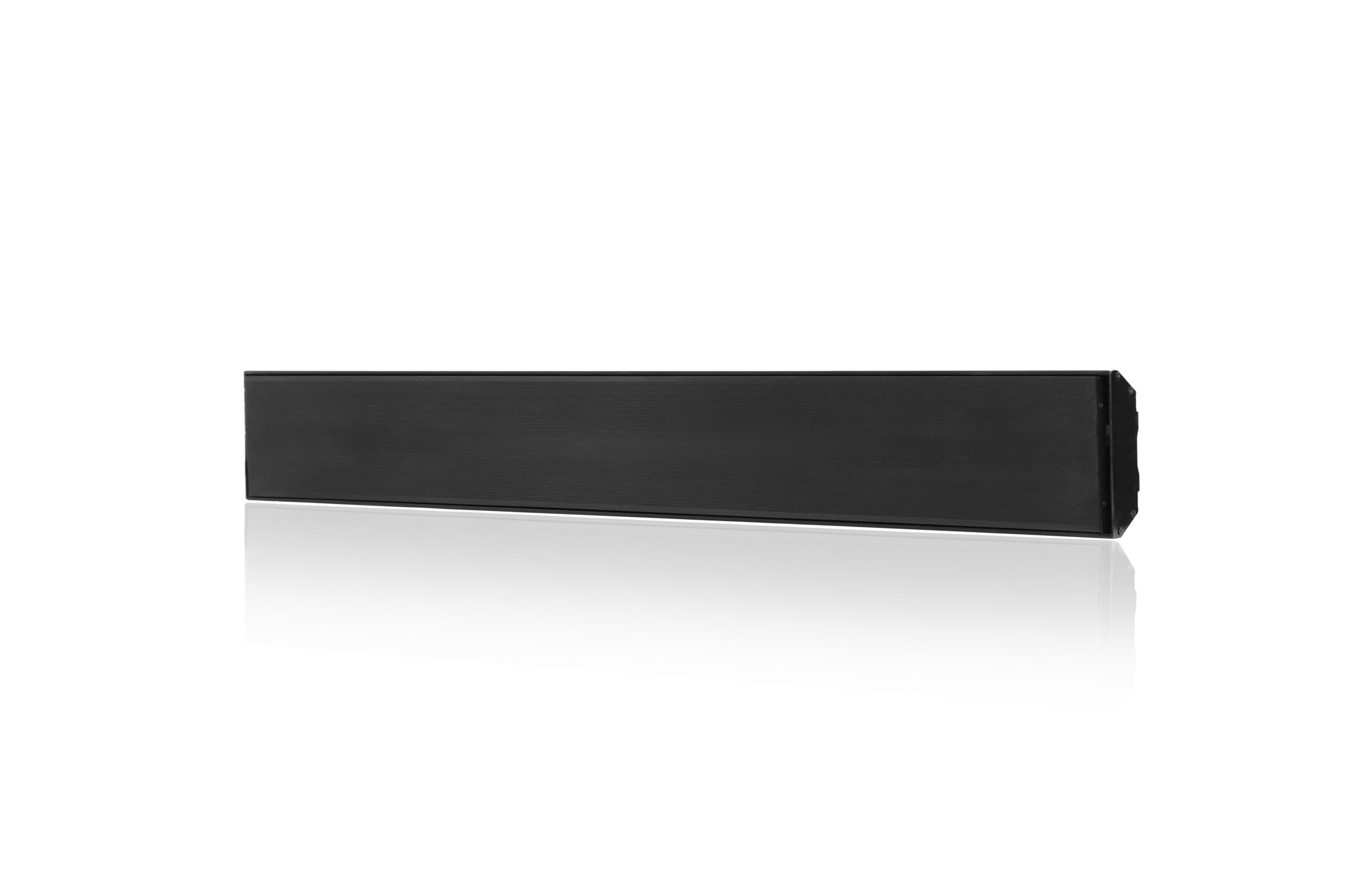
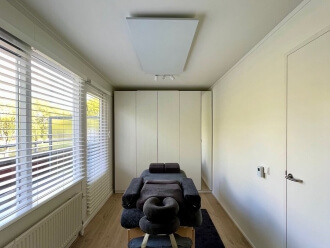
Infrared heating warms surfaces, objects, and people directly—similar to the sun’s gentle rays—without heating the air first. This type of radiant heat creates a comfortable warmth that avoids the dryness or air circulation issues found in many traditional systems.
Types of Infrared Waves
- Near Infrared (NIR) – Shortwave
Strong radiant energy, often used in industrial applications. - Mid Infrared (MIR) – Medium wave
Balanced energy for both home and commercial spaces. - Far Infrared (FIR) – Longwave
The most common for residential heating panels and wellness environments.
Can Infrared Heaters Kill Bacteria?
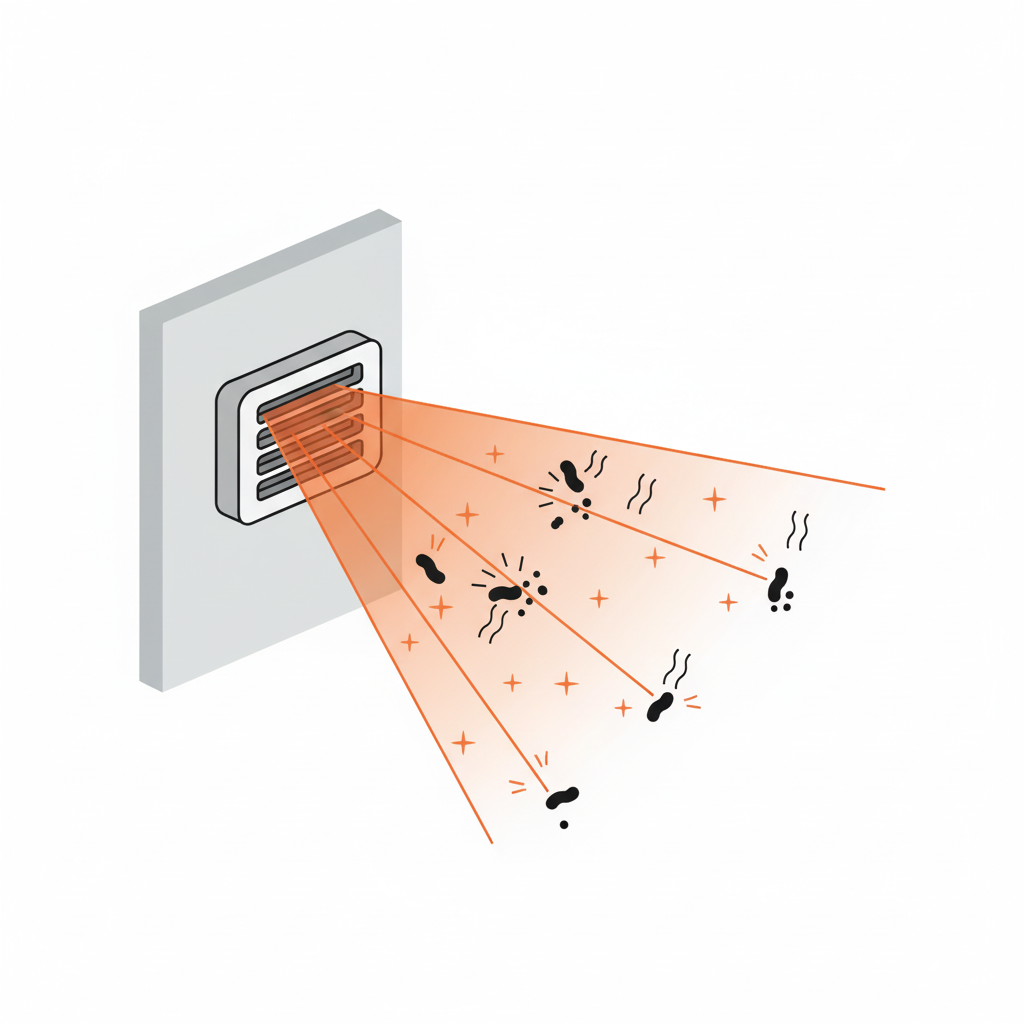
Yes infrared heaters can help reduce bacteria, but not in the same way as UV light. Infrared heat raises the temperature of surfaces and the environment, creating conditions that are less favourable for many bacterial species.
How Infrared Heat Impacts Bacteria
Infrared heaters can support a cleaner environment in several ways:
- Drying out surfaces: Many bacteria thrive in moist environments. Radiant heat reduces humidity on walls and surfaces.
- Heating surfaces directly: Warmer surfaces create conditions that make it harder for bacteria to multiply.
- Improved air circulation patterns: Unlike convection heaters, infrared panels don’t blow dust or bacteria around the room.
What Infrared Does Not Do
It does not:
- Directly kill bacteria at the genetic level (like UV-C light)
- Sterilize a room
- Replace regular cleaning or hygiene practices
Infrared heating supports a healthier environment but is not a standalone disinfection method.
Benefits of Infrared Heating for Health & Hygiene
Reduced Humidity and Mold Resistance
Infrared panels keep walls dry, helping prevent mold—a common indoor allergen across Europe’s colder regions.
Cleaner Air Compared to Convection Heating
Traditional radiators circulate warm air, often stirring dust and microbes. Infrared heaters warm solid objects instead, keeping air still and cleaner.
Ideal for Allergy and Asthma Sufferers
Infrared heaters do not burn oxygen or dry the air excessively, which helps improve comfort for sensitive individuals.
Where Infrared Heating Is Commonly Used for Cleanliness
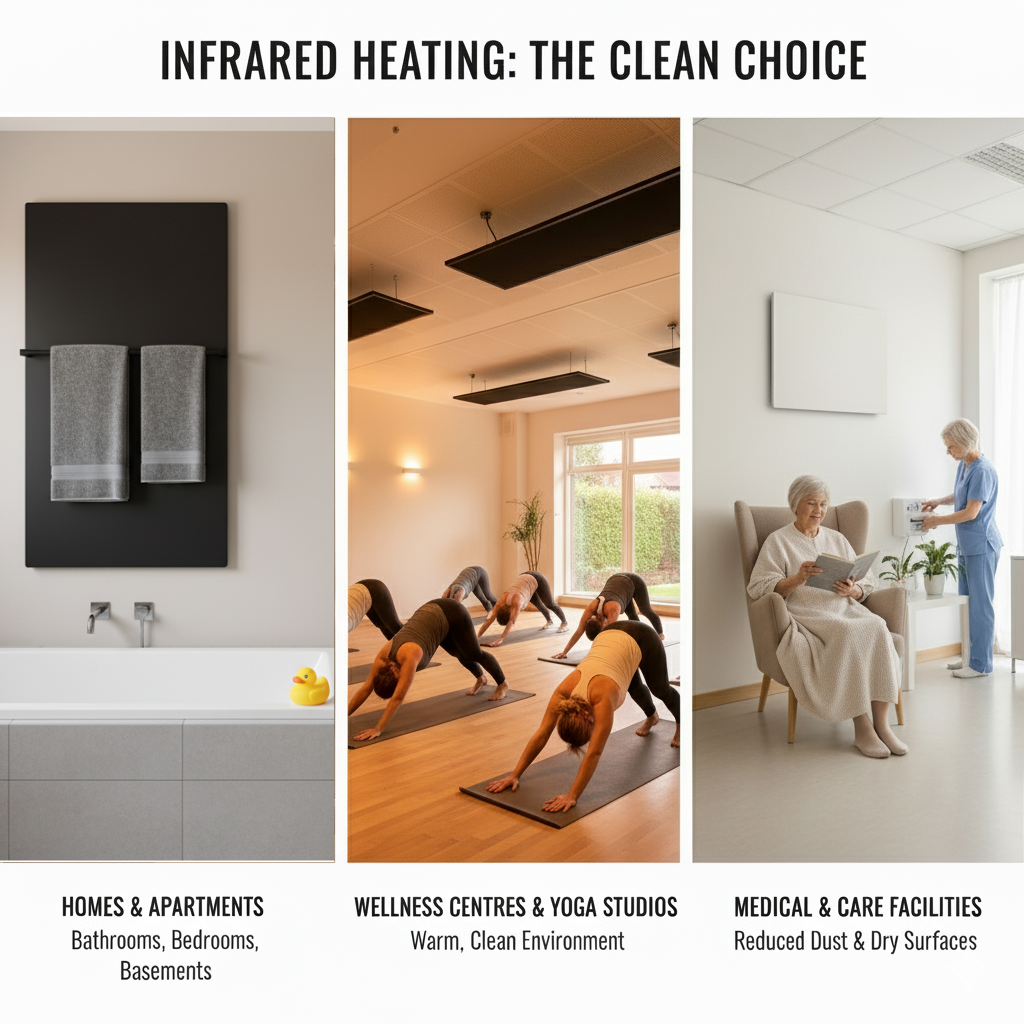
Homes & Apartments
Especially bathrooms, bedrooms, and basements prone to dampness.
Wellness Centres & Yoga Studios
Hot yoga studios often use far infrared panels, not only for comfort but also to maintain a warm, clean environment.
Medical & Care Facilities
Some care homes choose infrared systems because they reduce dust circulation and keep surfaces warm and dry.
Conclusion
So, do infrared heaters kill bacteria? While they don’t act like disinfecting UV lamps, infrared heaters can reduce bacterial growth by keeping rooms dry, minimizing dust circulation, and warming surfaces efficiently. This makes them a smart, healthy choice for European homes looking for clean, eco-friendly heating solutions.
Thinking about switching to infrared heating? Explore our guides, installation tips, and product comparisons to find the perfect solution for your home.
FAQ
Does infrared heat sterilize a room?
No. Infrared heating reduces bacterial growth but does not sterilize rooms like UV-C disinfection.
Is infrared heating safe for daily use?
Yes. Infrared heaters are considered safe and produce natural radiant warmth similar to sunlight—without harmful UV radiation.
Can infrared heaters reduce mold?
Yes. By drying walls and lowering humidity, infrared panels are effective against mold-prone areas.
Are infrared heaters energy-efficient for European winters?
Absolutely. They heat objects directly, making them efficient in well-insulated homes common across Europe.