




The Confusing Cold Room Problem
You turn on the heater, wait for a while… but the room still feels cold.
Frustrating, right?
Many people assume their heater isn’t working. But the truth is — the problem is often not the heater, but how heat actually works.
This blog explains the real science behind why your room still feels cold, even when heating is on — and how to fix it effectively.
The Hidden Reason Your Room Still Feels Cold
Most heaters work by heating the air, not you.
The Air vs Body Temperature Problem
Traditional heaters (like fan heaters or radiators) warm the air. But:
- Warm air rises to the ceiling
- Cold air stays near the floor
- You sit in the cold zone
Result: The room may be warm on paper, but you still feel cold.
Heat Loss Is Faster Than You Think
Even if your heater is working perfectly, your room might be losing heat faster than it gains.
Common Heat Loss Points
- Windows and glass surfaces
- Doors and gaps
- Poor insulation
- Thin walls
This creates a constant cycle of heat escape, making your room feel cold.
The Science Nobody Explains — Radiant vs Convection Heat
This is the most important concept.
Convection Heating (Traditional Heaters)
- Heats air
- Slow and uneven
- Energy loss is high
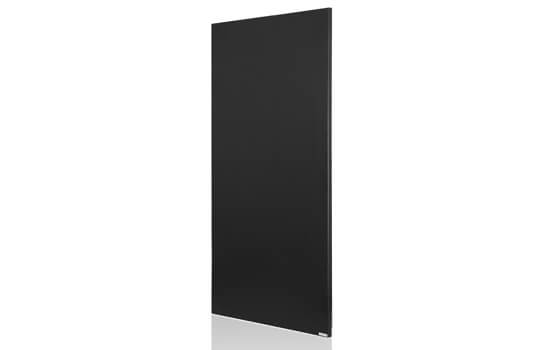
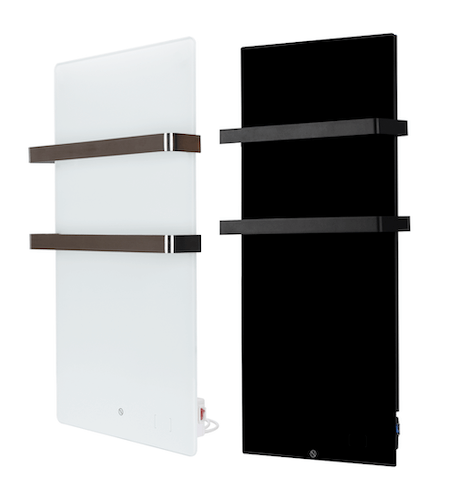
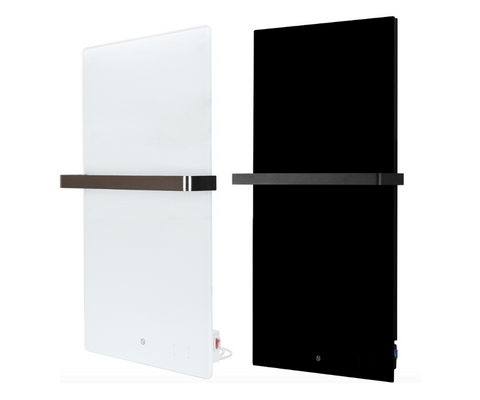
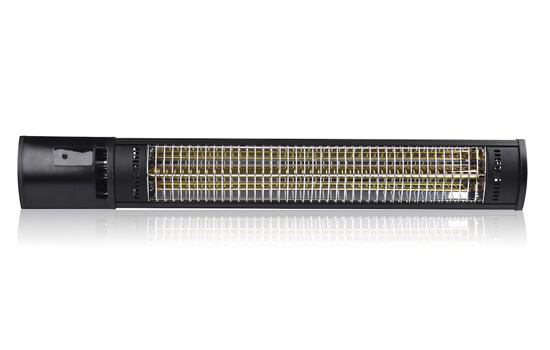
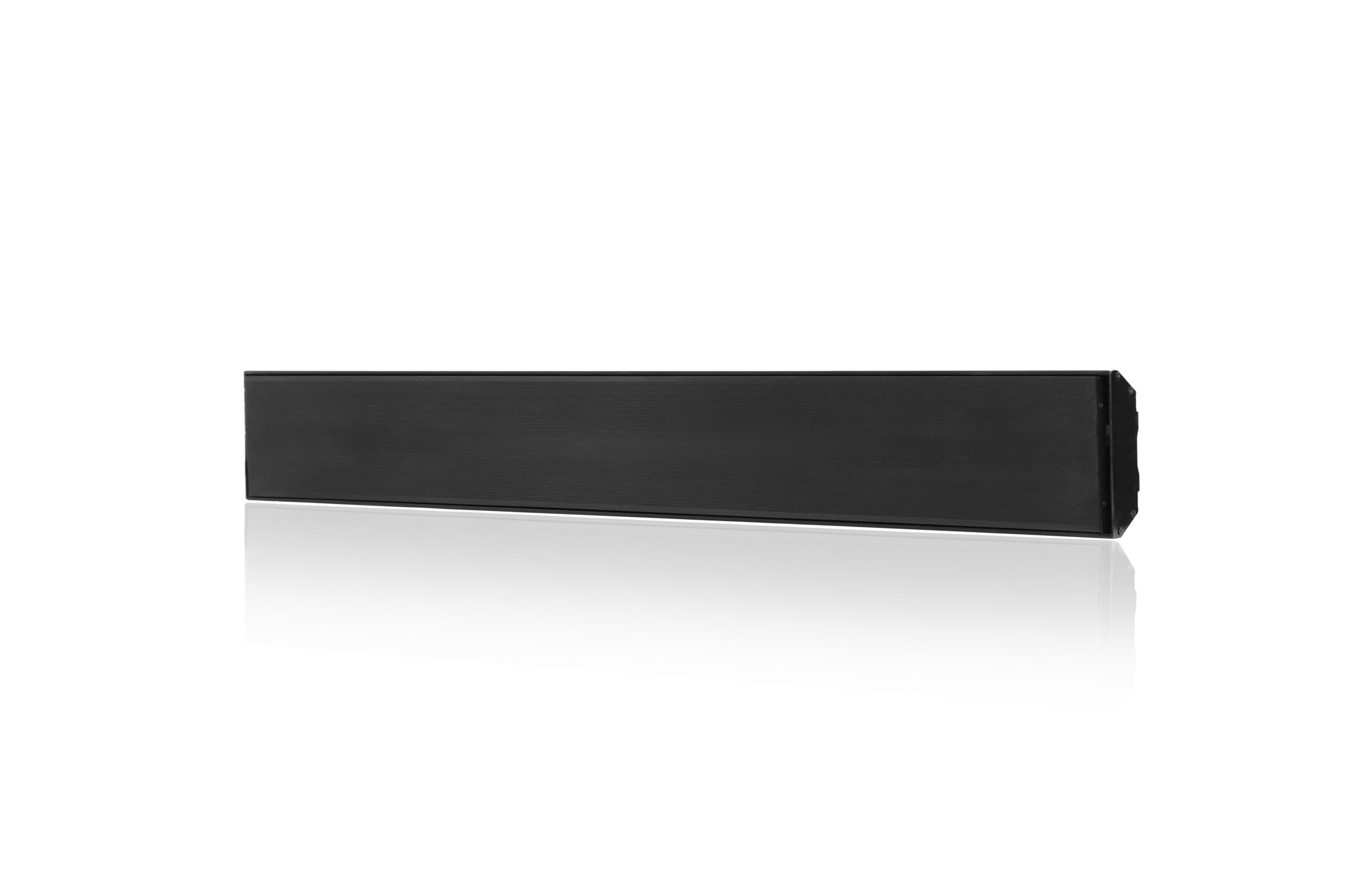
Radiant Heating (Infrared Heater)
- Heats objects and people directly
- Instant warmth
- No dependency on air circulation
This is why infrared heaters feel warmer faster — even at lower temperatures.
Why Infrared Heater Feels Different (And Better)
An infrared heater works like sunlight.
You don’t heat the air — you feel the warmth directly on your body.
Benefits of Infrared Heating
- Instant warmth
- Energy-efficient
- No heat loss through air
- Comfortable and natural feeling
This solves the biggest issue: feeling cold even when heating is on.

5 Practical Fixes to Make Your Room Actually Warm
1. Switch to Infrared Heating
Instead of heating air, heat objects and people directly.
2. Seal Heat Leakage
Use:
- Door seals
- Window insulation film
- Curtains
3. Improve Room Layout
- Avoid placing heaters near windows
- Keep heat sources central
4. Use Rugs & Soft Materials
Hard floors absorb cold. Rugs help retain warmth.
5. Reduce Air Circulation Loss
Close unnecessary vents and gaps.
Why Most People Misunderstand Heating
People think:
“If heater is ON → room should be warm”
But actual logic is:
Heat generated – Heat lost = Comfort level
If heat loss > heat gain → you feel cold.
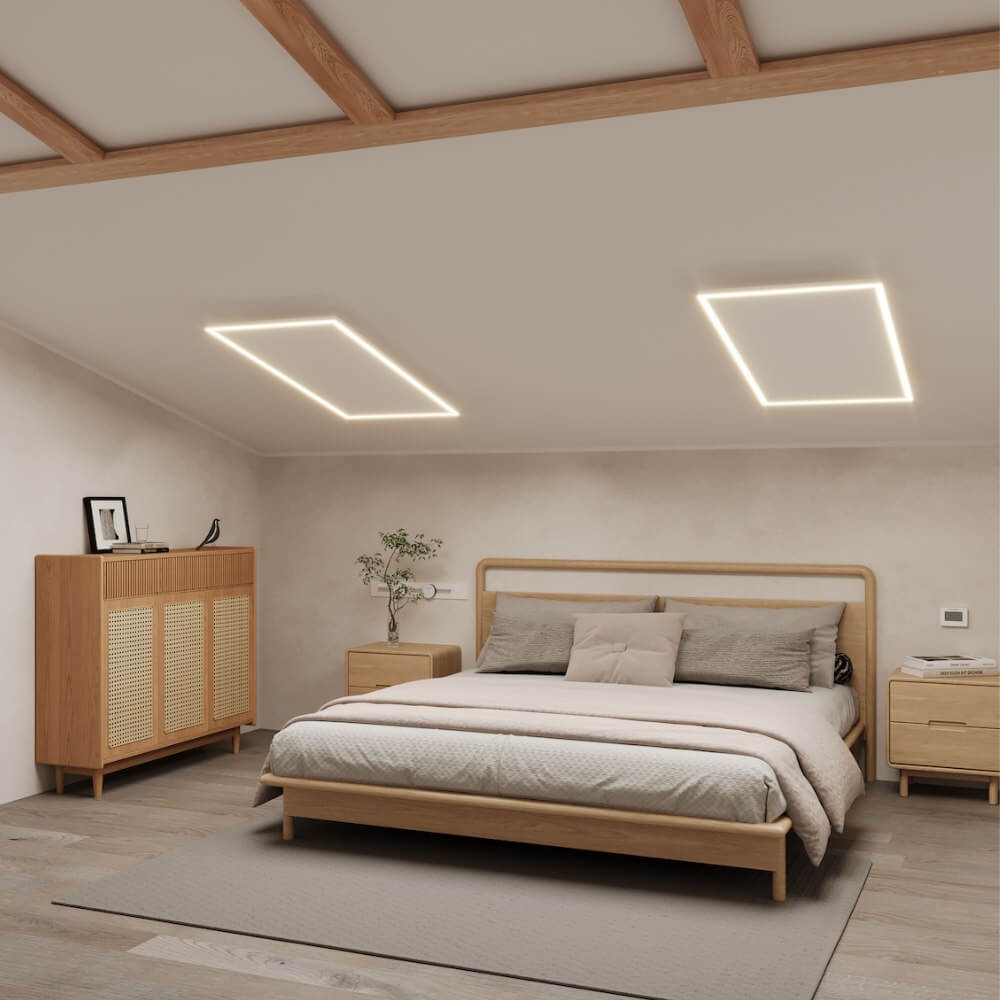
Best Heating Solution for Modern Homes
Today, energy efficiency matters.
That’s why many homes are switching to:
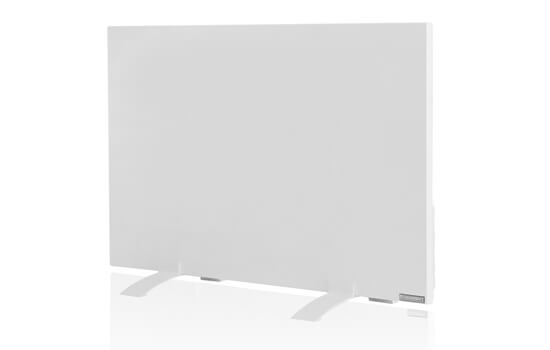
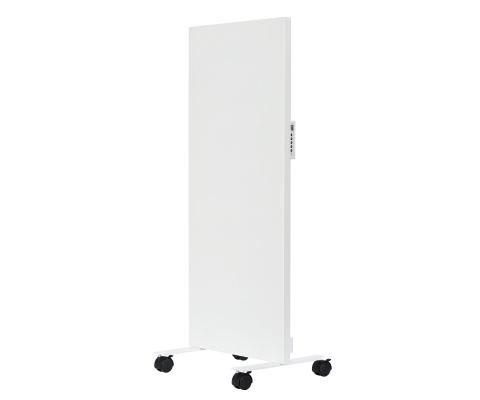
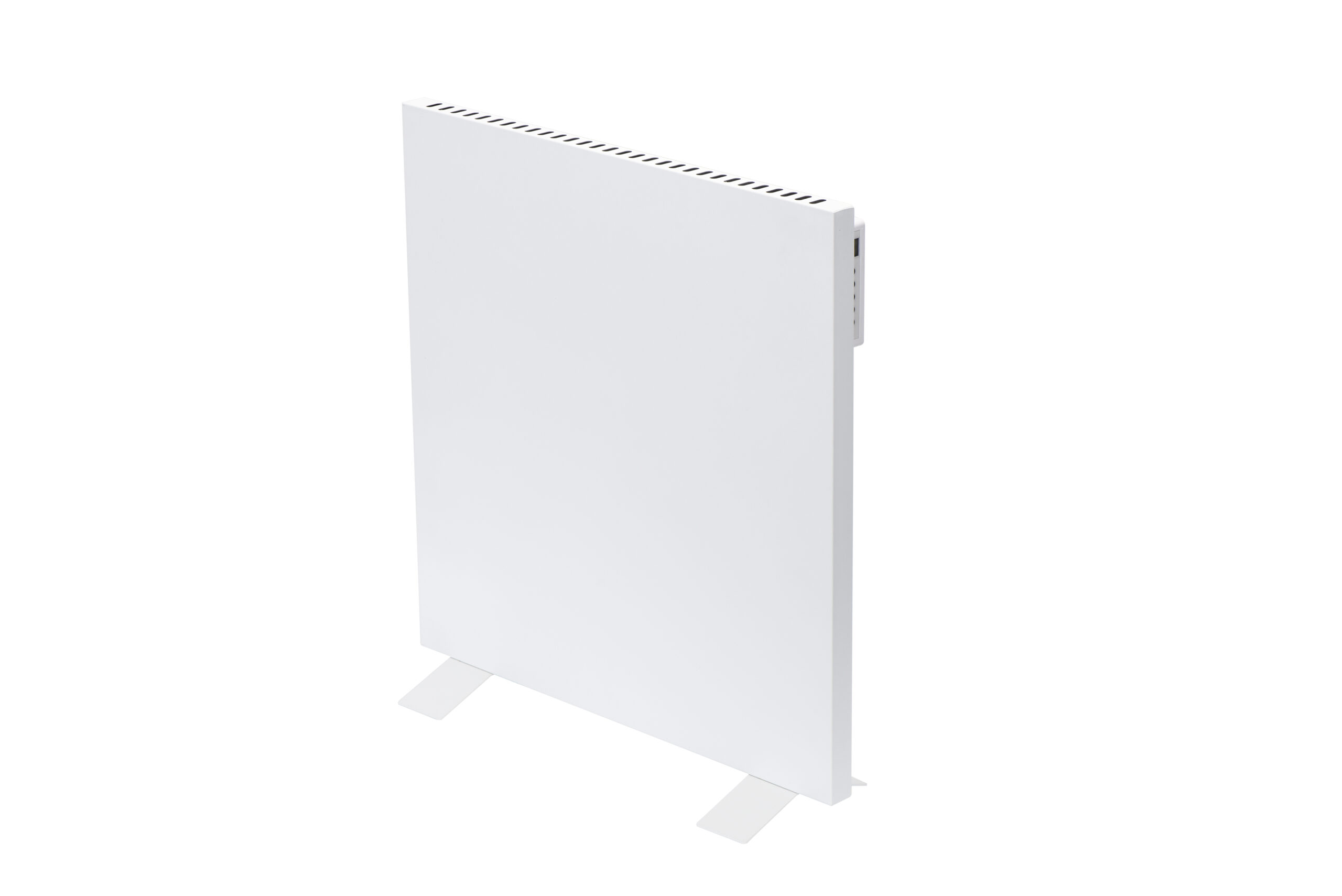
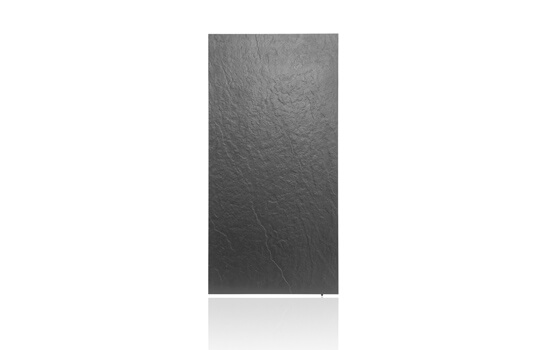
- Infrared panels
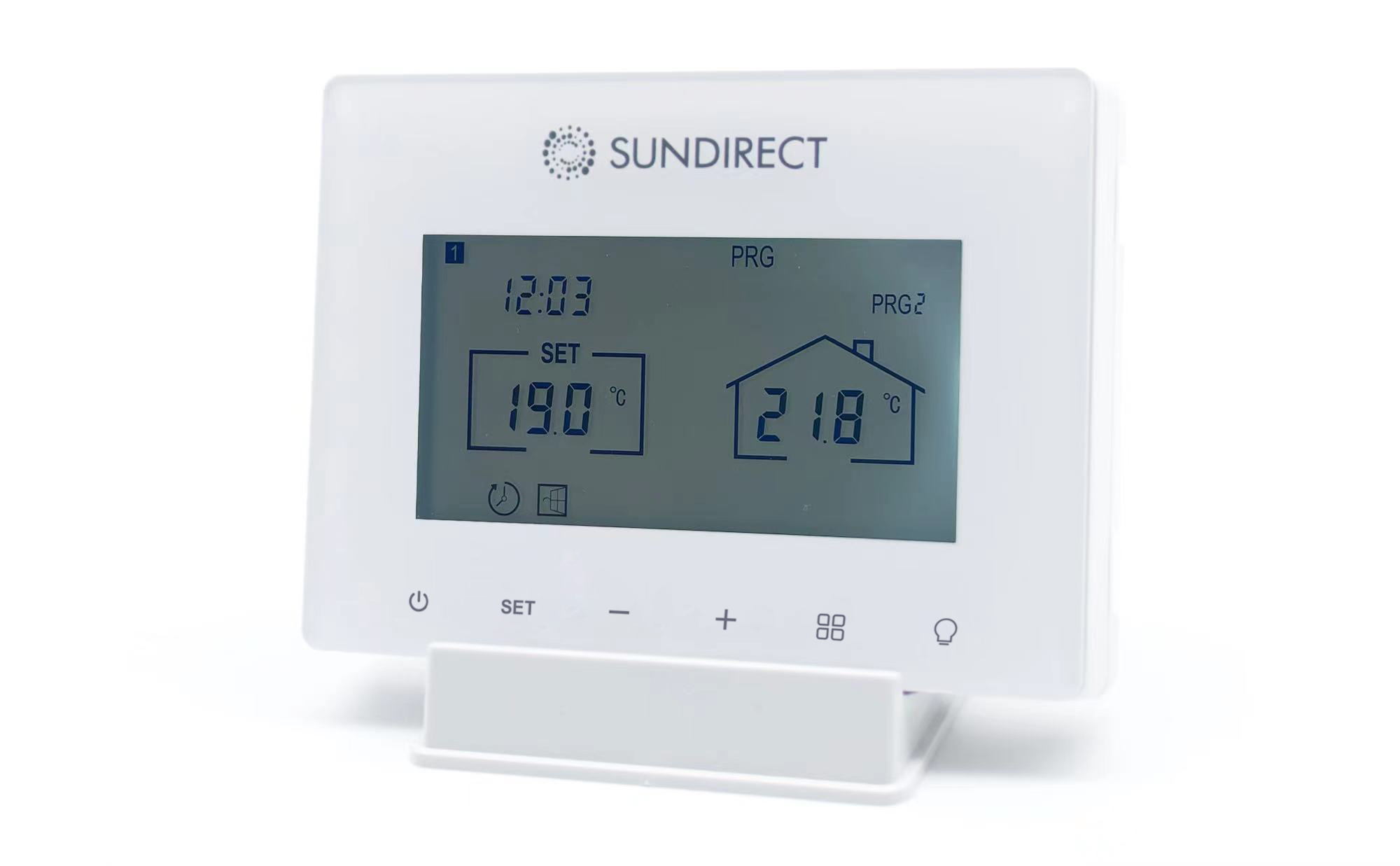
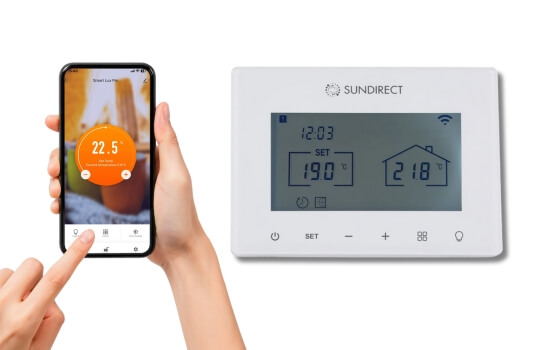
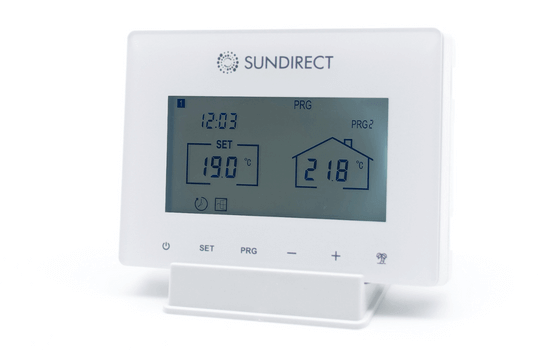
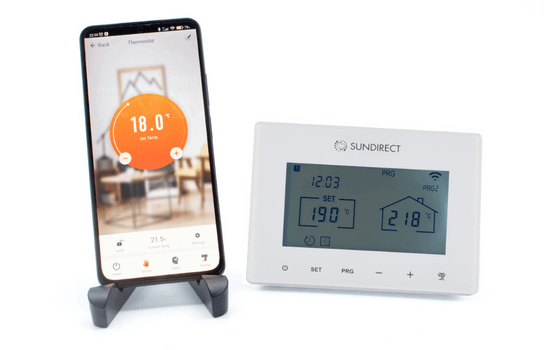
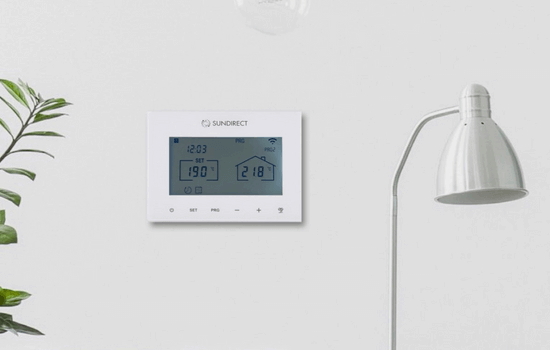
- Smart heating systems
- Zoned heating solutions
These solutions focus on comfort + efficiency, not just temperature.
FAQ
Q1: Why does my room feel cold even when heating is on?
Because most heaters warm the air, not your body. Heat also escapes through walls, windows, and gaps.
Q2: Are infrared heaters better than traditional heaters?
Yes. Infrared heaters provide direct warmth, are more energy-efficient, and reduce heat loss.
Q3: How can I make my room warmer quickly?
Use infrared heating, seal gaps, and reduce heat loss through insulation.
Q4: Do infrared heaters save electricity?
Yes, because they heat directly without wasting energy on air circulation.
Q5: Why is my heater running but not effective?
It could be due to poor insulation, heat loss, or using the wrong type of heating system.
Conclusion
If your room still feels cold, the issue isn’t always your heater.
It’s:
- Heat loss
- Inefficient heating type
- Wrong understanding of warmth
Switching to smarter solutions like infrared heating can completely change your comfort level