



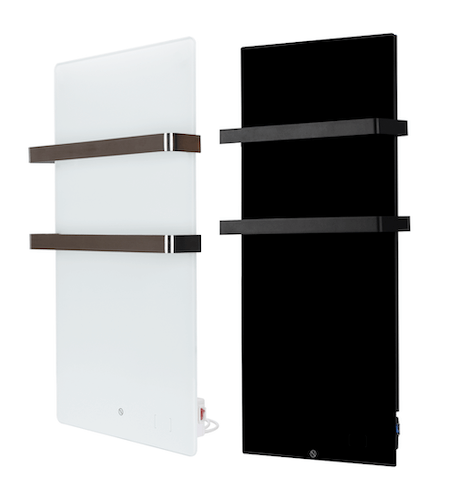
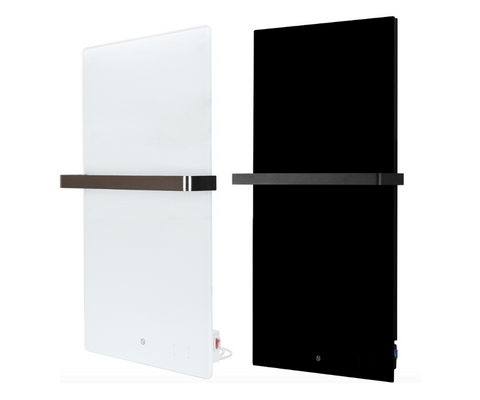
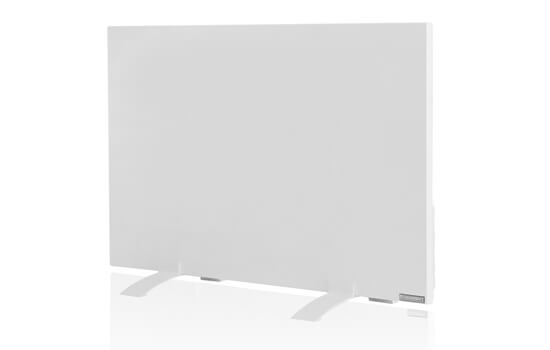
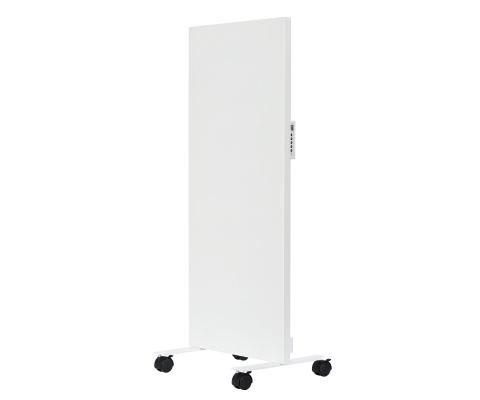
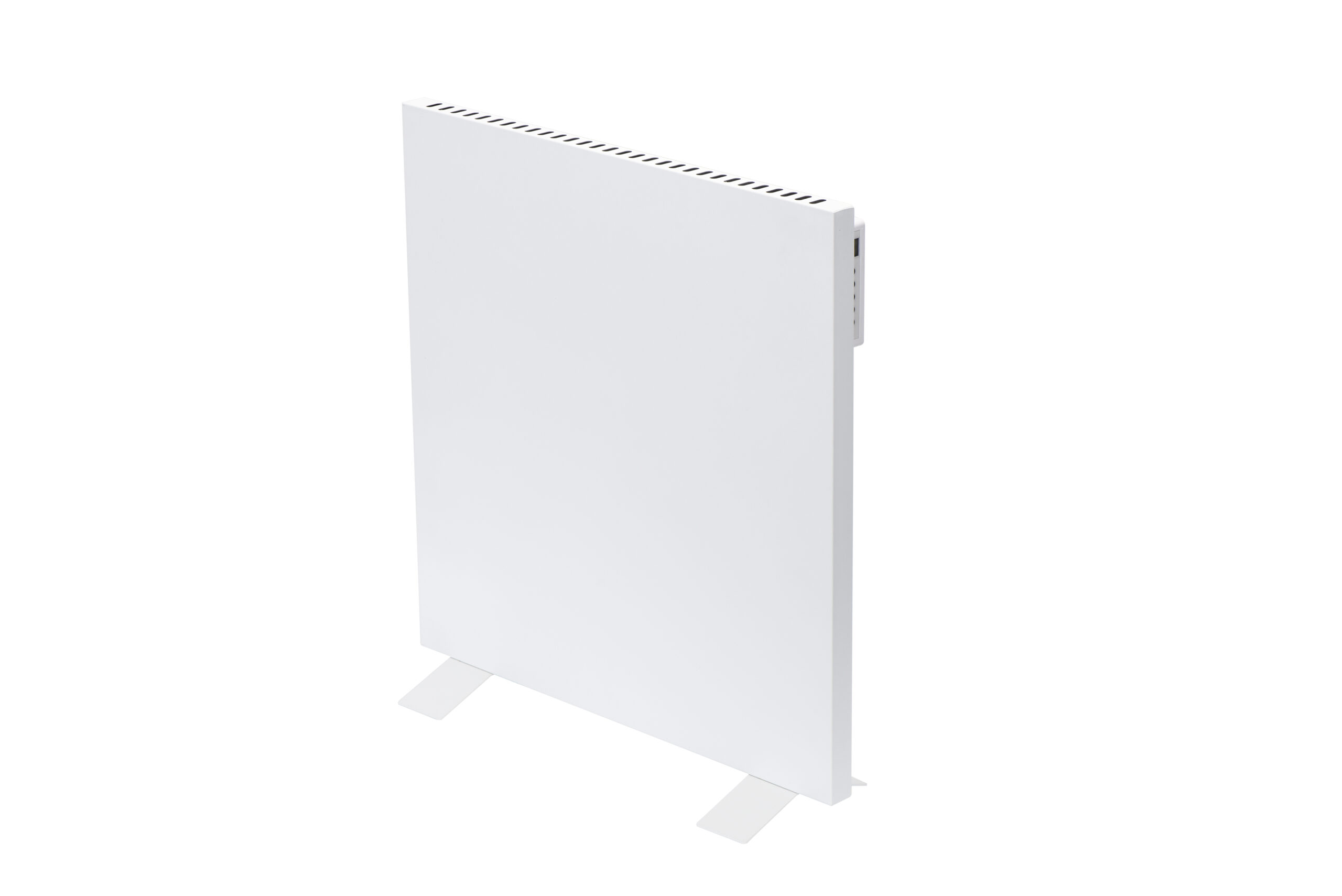
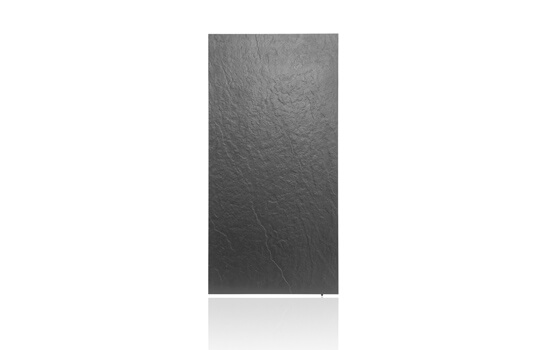
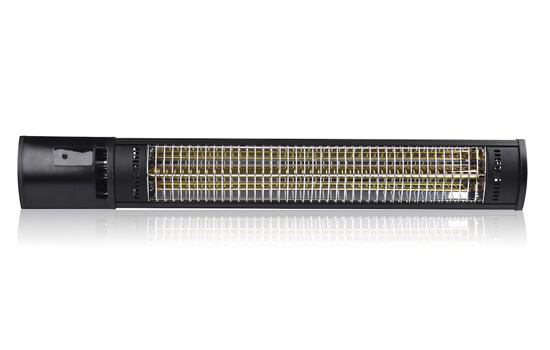
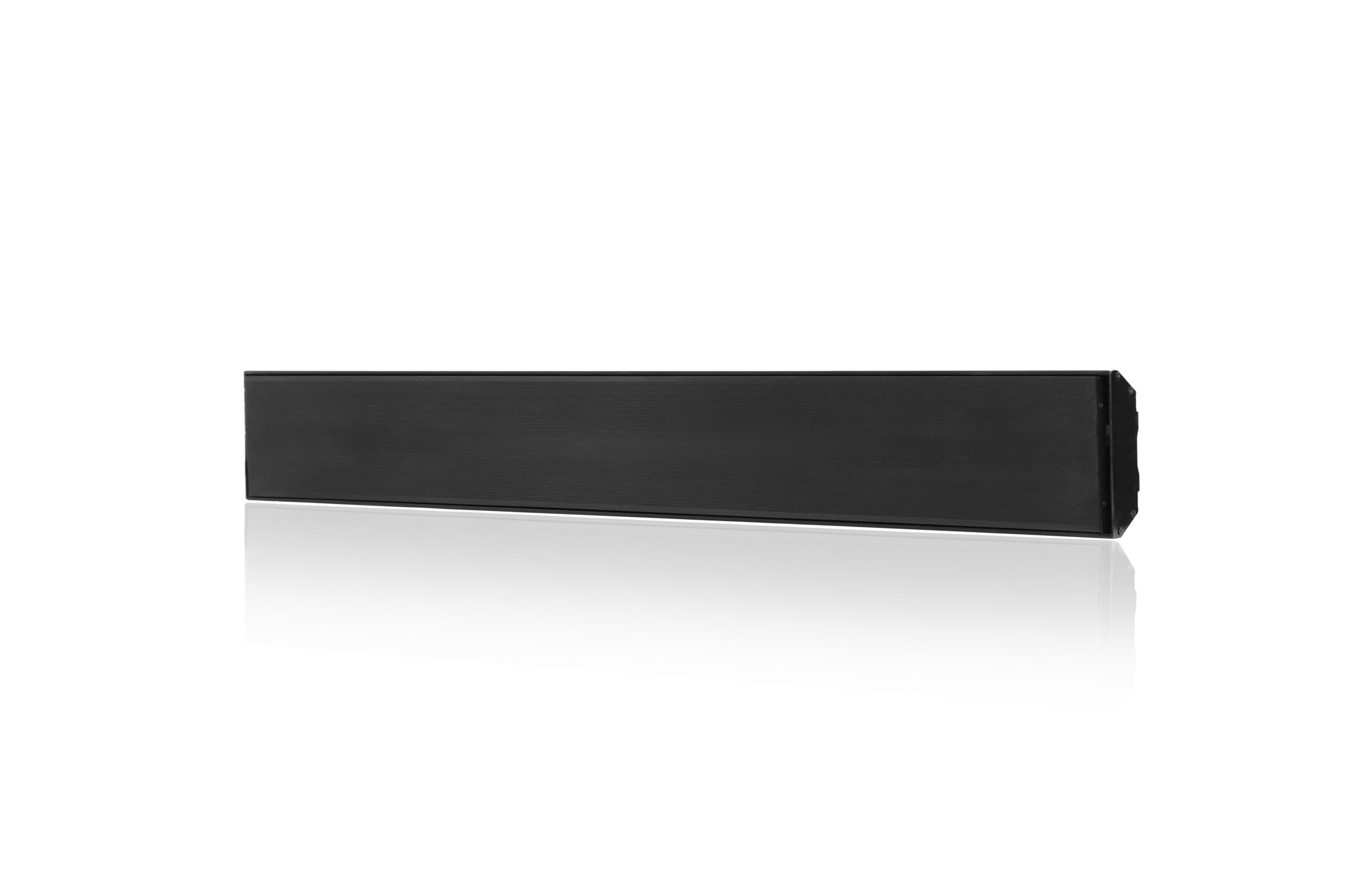
Winter in Europe can be long, cold, and unpredictable—especially in regions where temperatures drop quickly and energy prices continue to rise. If you’re preparing your home for the colder months, infrared heaters for winter prep are one of the most efficient and reliable solutions available today. This guide explains how infrared heating works, why it’s ideal for winter preparation, and how European homeowners can maximise comfort while reducing energy use.
Why Infrared Heaters Are Ideal for Winter Preparation
What Makes Infrared Heating Different?
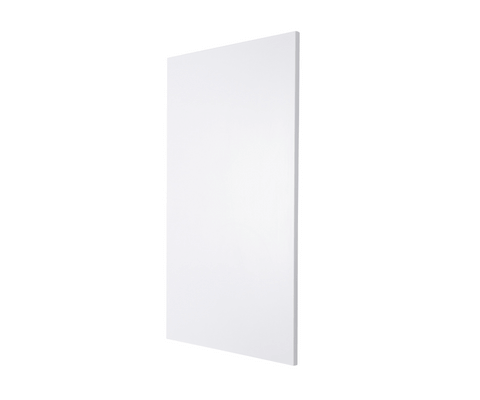
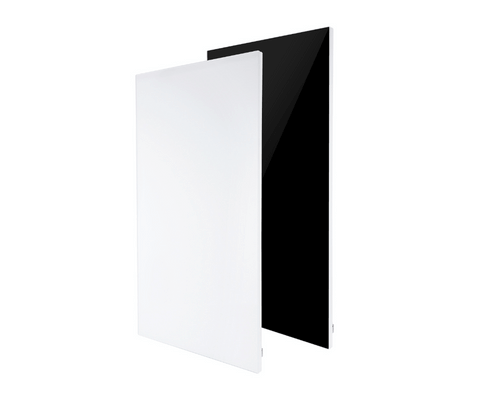
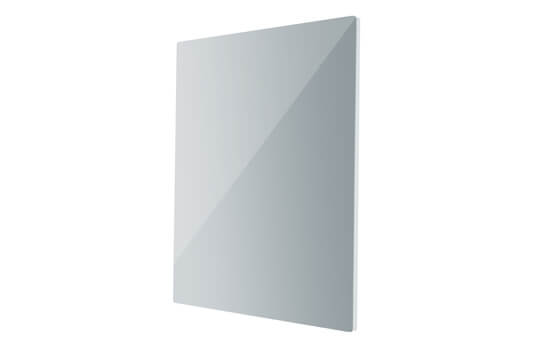
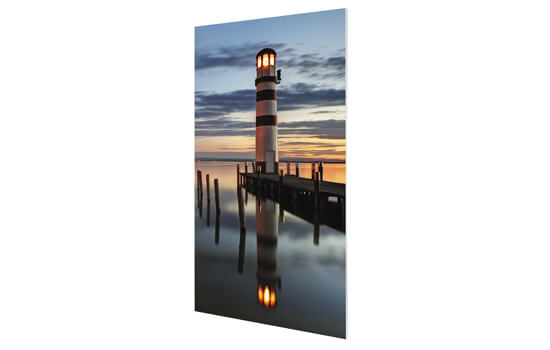
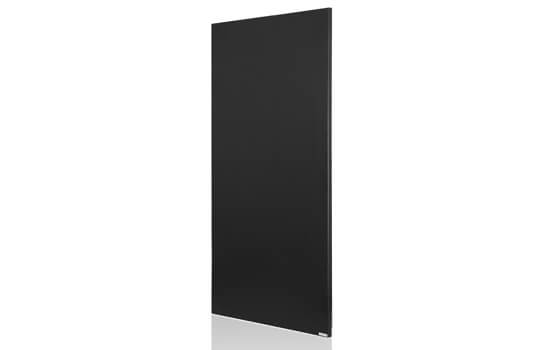
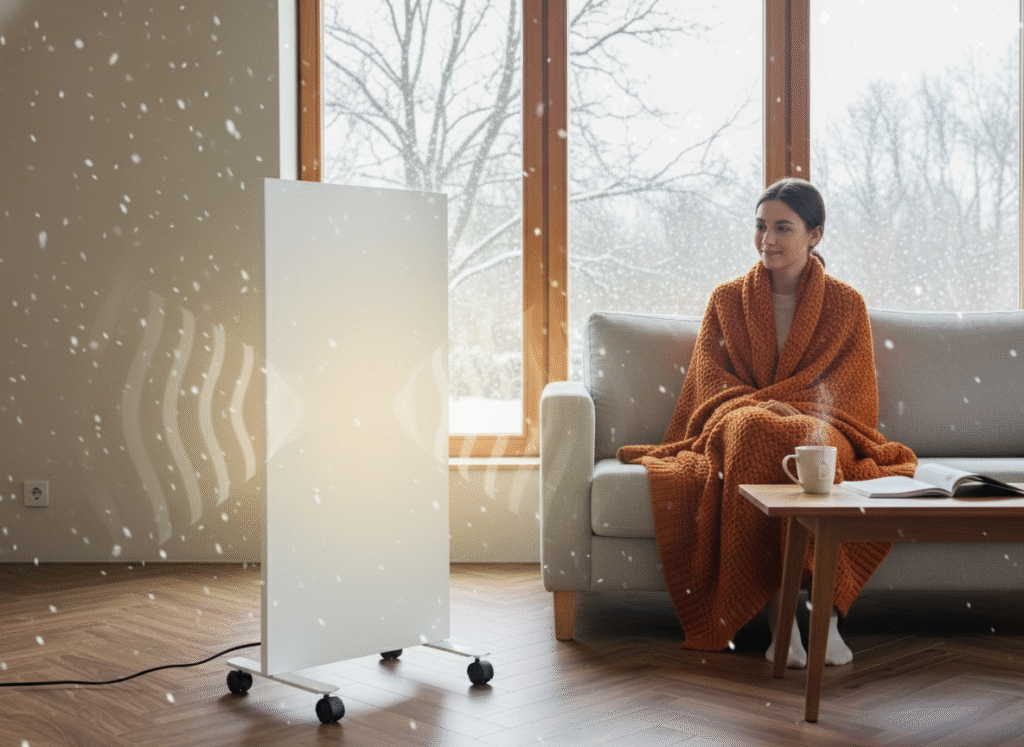
Infrared heaters warm surfaces, objects, and people directly rather than heating the air. This radiant heating effect creates consistent, comfortable warmth ideal for Europe’s cold winters.
Key Benefits of Infrared Heating
- Faster and more even heating compared to traditional radiators
- Reduced humidity and moisture build-up
- Clean, dust-free warmth that’s ideal for allergy sufferers
- Energy-efficient performance, especially in insulated homes
How Infrared Heaters Support Winter Prep
Efficient Heating for Cold European Winters
Infrared heaters deliver powerful warmth even on freezing days. Because they heat mass, not air, rooms stay warm for longer—reducing the need to run heating continuously.
Real Winter Advantages
- Works perfectly in high-ceiling or draft-prone areas
- Helps prevent cold spots in the home
- Maintains stable temperature without frequent adjustments
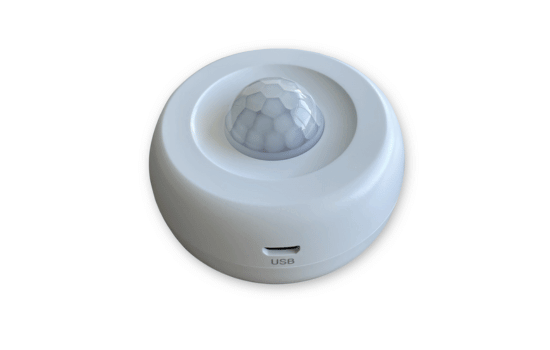
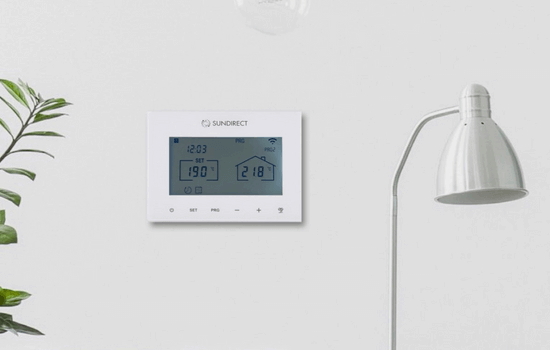
Pairing Infrared Heaters With Smart Controls
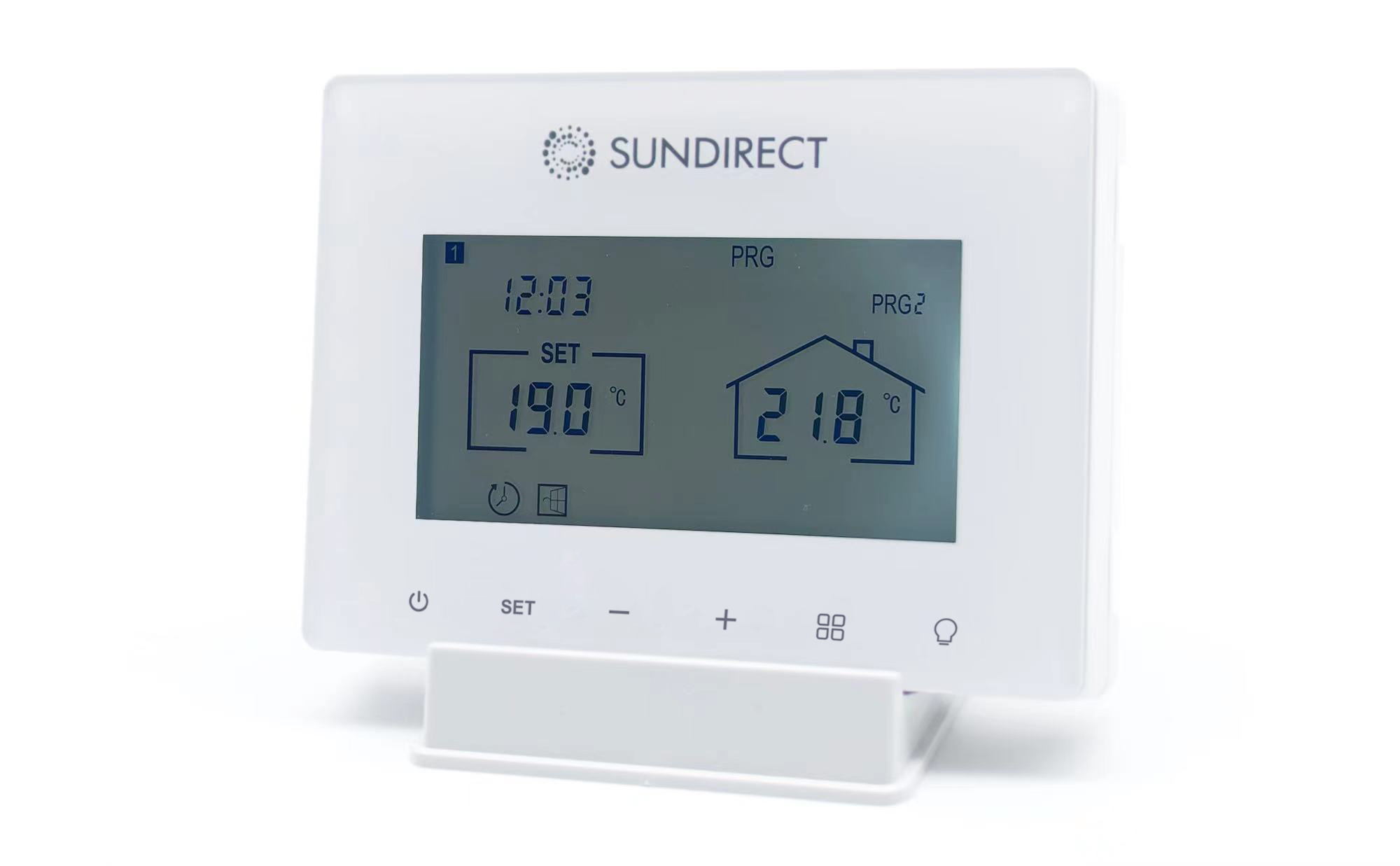
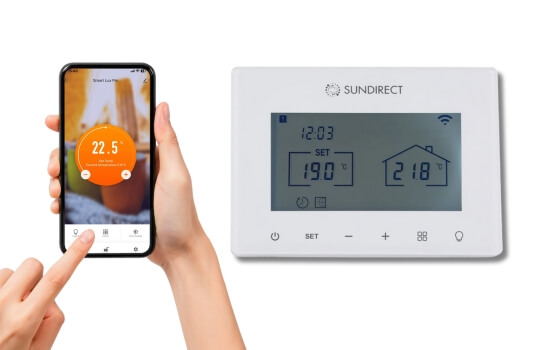
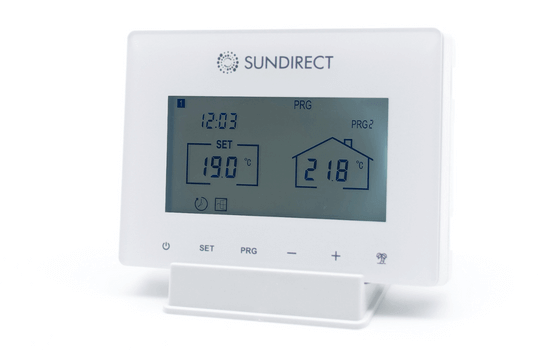
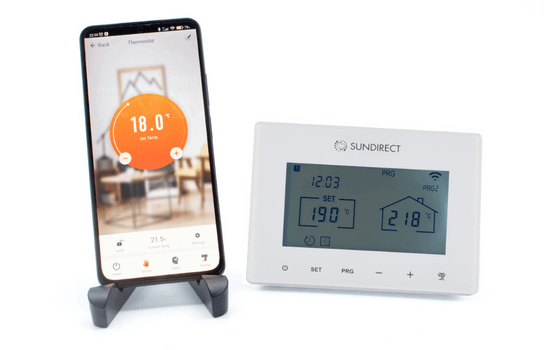
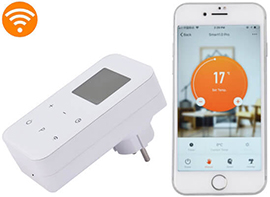
Smart thermostats and app controls make infrared heating even more winter-ready.
Smart Features Users Love
- Schedule heating hours
- Adjust temperature remotely
- Monitor energy usage
- Activate eco modes for savings
These features ensure your home feels warm the moment you arrive—without wasting energy.
Preparing Different Rooms for Winter With Infrared Panels
Living Rooms
Create cosy, evenly heated spaces perfect for family gatherings or movie nights.
Bedrooms
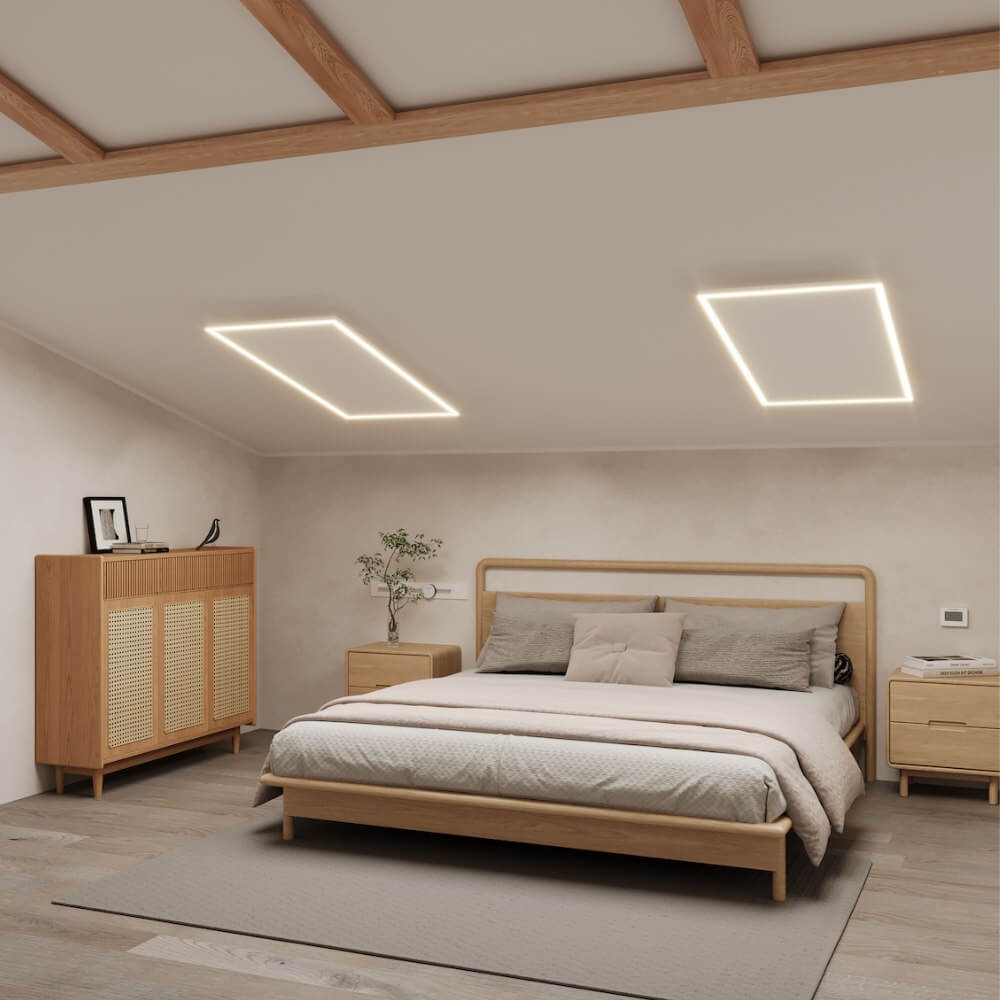
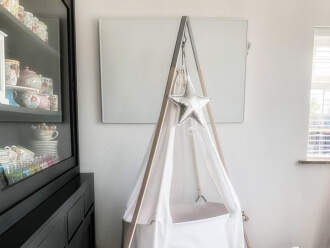
Silent operation ensures a restful sleep with gentle heat that doesn’t dry out the air.
Bathrooms
Infrared panels help prevent condensation and mould—a common winter issue in Europe.
Home Offices
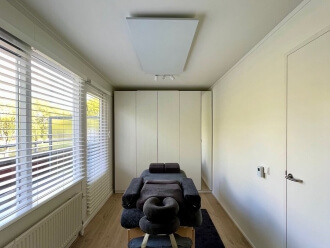
Warm a single room without heating the entire house, ideal for wintertime remote work.
Energy Efficiency During High-Cost Winter Seasons
European households face rising energy prices, making efficiency a top priority.
How Infrared Helps Reduce Winter Energy Bills
- Lower wattage compared to traditional heaters
- Faster warm-up times reduce overall heating duration
retains warmth longer on surfaces and walls
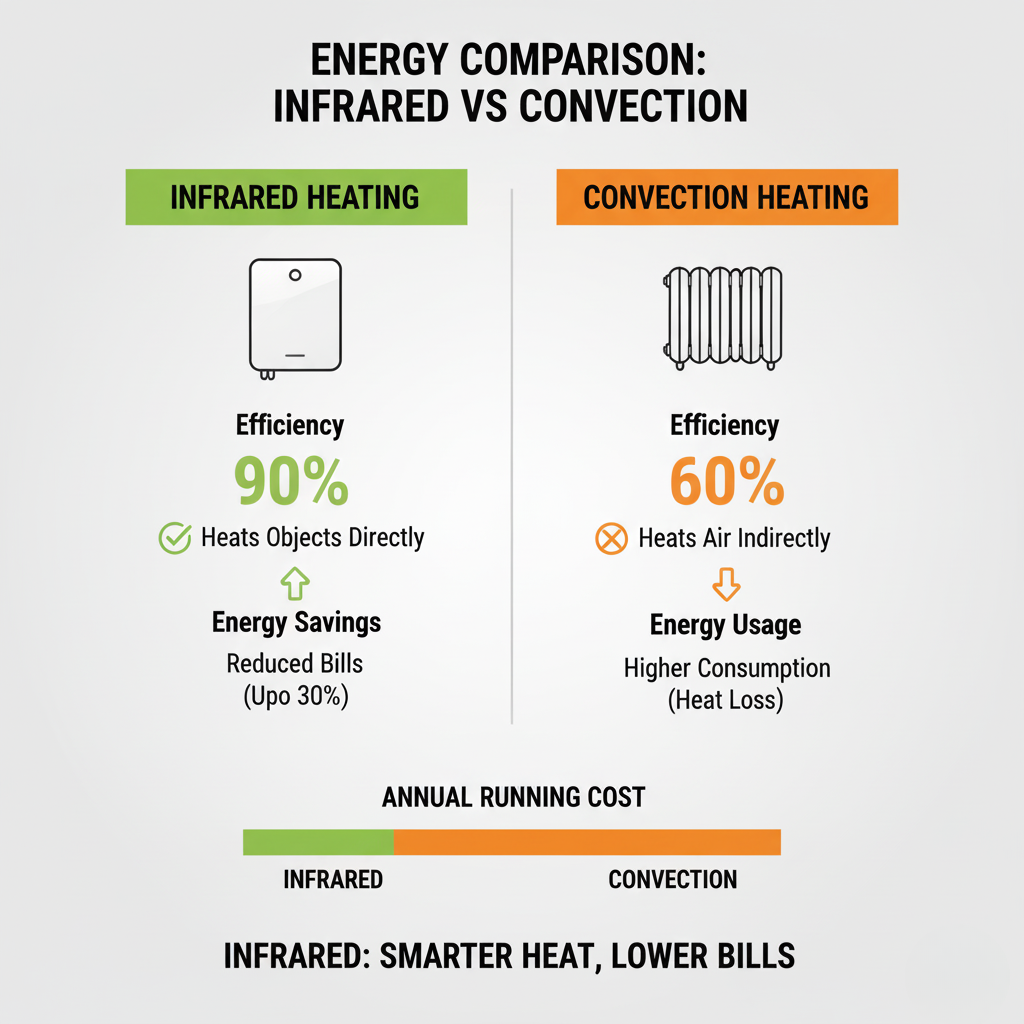
Sample Energy Comparison Table
Heater Type | Avg. Power Usage | Warm-Up Time | User Feedback |
Convection Radiator | 1500–2500W | 20–30 min | Slow, uneven heating |
Infrared Panel | 350–800W | 5–10 min | Fast, direct warmth |
Conclusion
Preparing your home for winter doesn’t have to involve complicated renovations or high monthly bills. Infrared heaters for winter prep offer a clean, efficient, and modern heating solution that keeps European homes warm even during the harshest months. Whether you’re upgrading your main heating system or adding extra warmth to specific rooms, infrared panels are a smart investment that provides comfort, style, and long-term savings.
Ready to choose the right infrared heater for winter? Explore our product recommendations, installation tips, and energy-saving guides to get started.
FAQ: Infrared Heaters & Winter Preparation
Are infrared heaters good for winter?
Yes. They provide strong, consistent warmth that is ideal for cold European climates.
Do infrared heaters save energy in winter?
Absolutely. Their direct-heating method reduces power consumption, especially in well-insulated homes.
Can infrared heaters replace central heating?
In many modern homes, yes—especially when combined with smart controls and proper placement.
Are infrared heaters safe to use overnight?
Yes. Quality infrared panels are safe, silent, and stable, making them ideal for bedrooms.
Do infrared heaters help with dampness in winter?
Yes. They warm walls and surfaces, helping reduce condensation and preventing mould.